
New2026 season
Bara Project
Trees, young people and communities, side by side in Bara district, in Nepal’s central Terai. Explore where we work on a real map, meet every programme and follow the season as it happened.
- 3districts
- 7programmes
- 9,500+saplings


season
Where we work
Rooted in Bara, on the real map of Nepal
Every outline here is drawn from official boundary data, not sketched. Start with the whole country, then zoom into the districts, wards and the surveyed block where we work.
- Plantation
- Youth and schools
- Community
- Study area
Boundaries: NGIID, Survey Department, Government of Nepal, via HERMES (2020). Wards, study area and survey: NAFAN.
About this map and its data
Boundaries. The outlines of Nepal, its provinces, districts and municipalities come from the HERMES administrative layers, which were extracted from the NGIID database of the Survey Department, Government of Nepal (2020 release). They are shown as supplied and thinned only for the web: the national outline stays within 90 metres of the source file.
Study area. The 24 ward boundaries of Jitpur Simara and the study area (wards 12 to 18) are NAFAN’s field GIS layers.
Tamagadhi block. This is the surveyed boundary (14 vertices) with five GPS reference points recorded on site, accurate to about 3 metres.
Ward markers. A marker on a ward means work took place somewhere in that ward. The settlements and schools named in our reports are listed on each ward’s card. They are not plotted as points, because no coordinates were recorded for them.
Not plotted. Seed sharing and the exact venue of the youth camp have no recorded site, so they appear in the list only.
Relief. Shading is drawn from an elevation model supplied by NAFAN. This map is for orientation and is not an official boundary record.
 Ward 12School plantation campaign
Ward 12, Jitpur Simara
- Fruit saplingsRoute sites: Pipariya, Simri, Sano Pota, Thulo Pota and Shanti Tole.
- School eco clubFattepur.
 Ward 13Teej Dar 2083
Ward 13, Jitpur Simara
- Fruit saplings, 400Pachuli.
- Teej DarPanchuli.
 Ward 14Household fruit plantation
Ward 14, Jitpur Simara
- Fruit saplings, 400Katatole.
- School eco clubRajghatta.
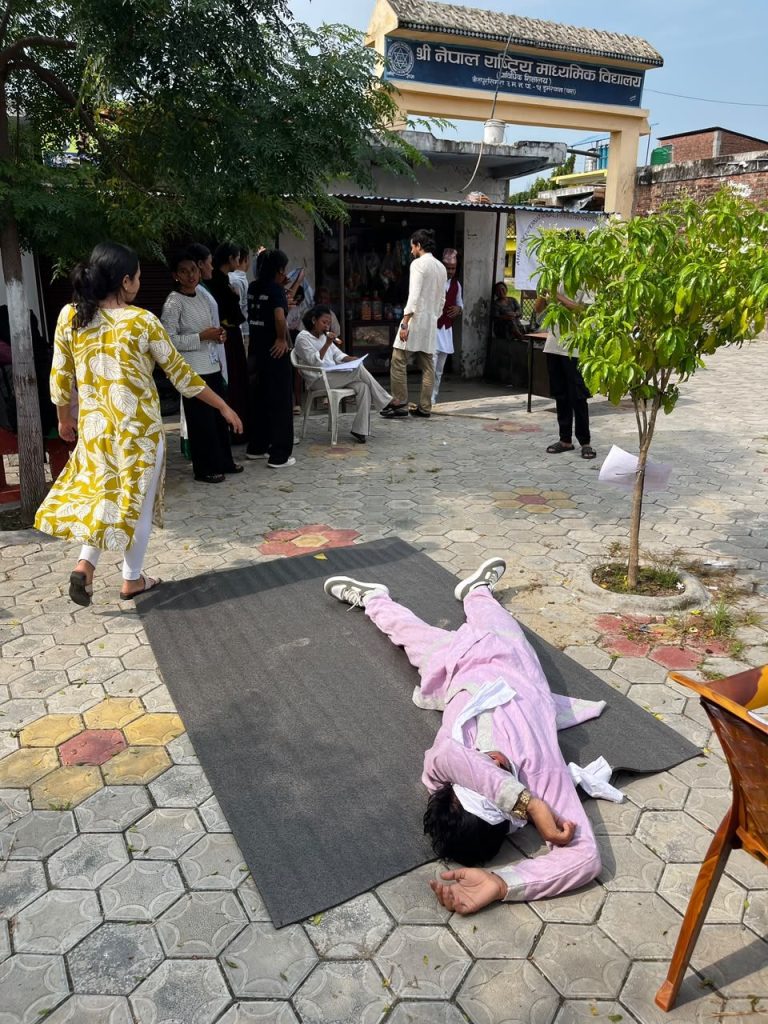 Ward 15Youth Day street play at a school gate
Ward 15, Jitpur Simara
- Fruit saplings, 700Sundarbasti (400) and Nayabasti (300).
- School eco clubDumarwana.
- Youth Day street playAt the Dumarwana school gate.
 Ward 16Youth Day session at Badafar
Ward 16, Jitpur Simara
- Fruit saplings, 1,300Mahendranagar and Sakhuwaghat (600), Kathharya (300) and Badafar (400).
- School eco clubsSakhuwaghat, Dakaha and Tangiya Basti.
- Youth Day street playAt Badafar Chowk.
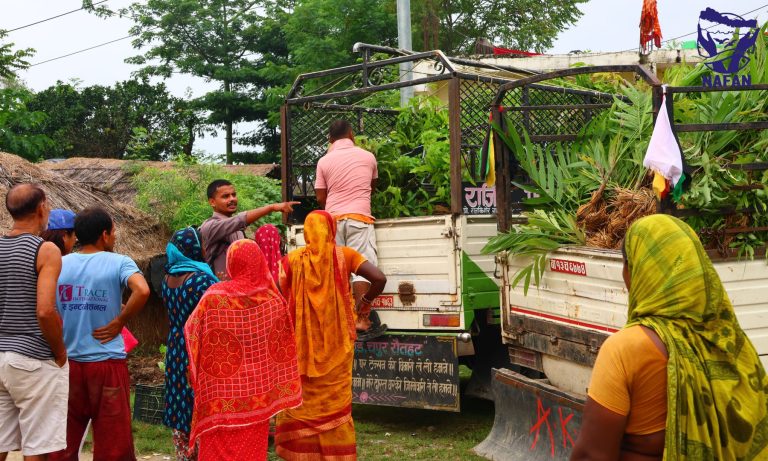 Ward 17Household fruit plantation
Ward 17, Jitpur Simara
- Fruit saplings, 1,100Kusmadi (300), Lamidada (200), Paintole (300) and Ramnagar (300).
- School eco clubsJaitapur and Ragunathpur.
- Teej DarLamidada.
 Ward 18Teej Dar 2083
Ward 18, Jitpur Simara
- Fruit saplings, 600Uchidi (200) and Parastole (400).
- Teej DarParastole.
 Surveyed sitePlanting day at the Tamagadhi block
Tamagadhi block plantation
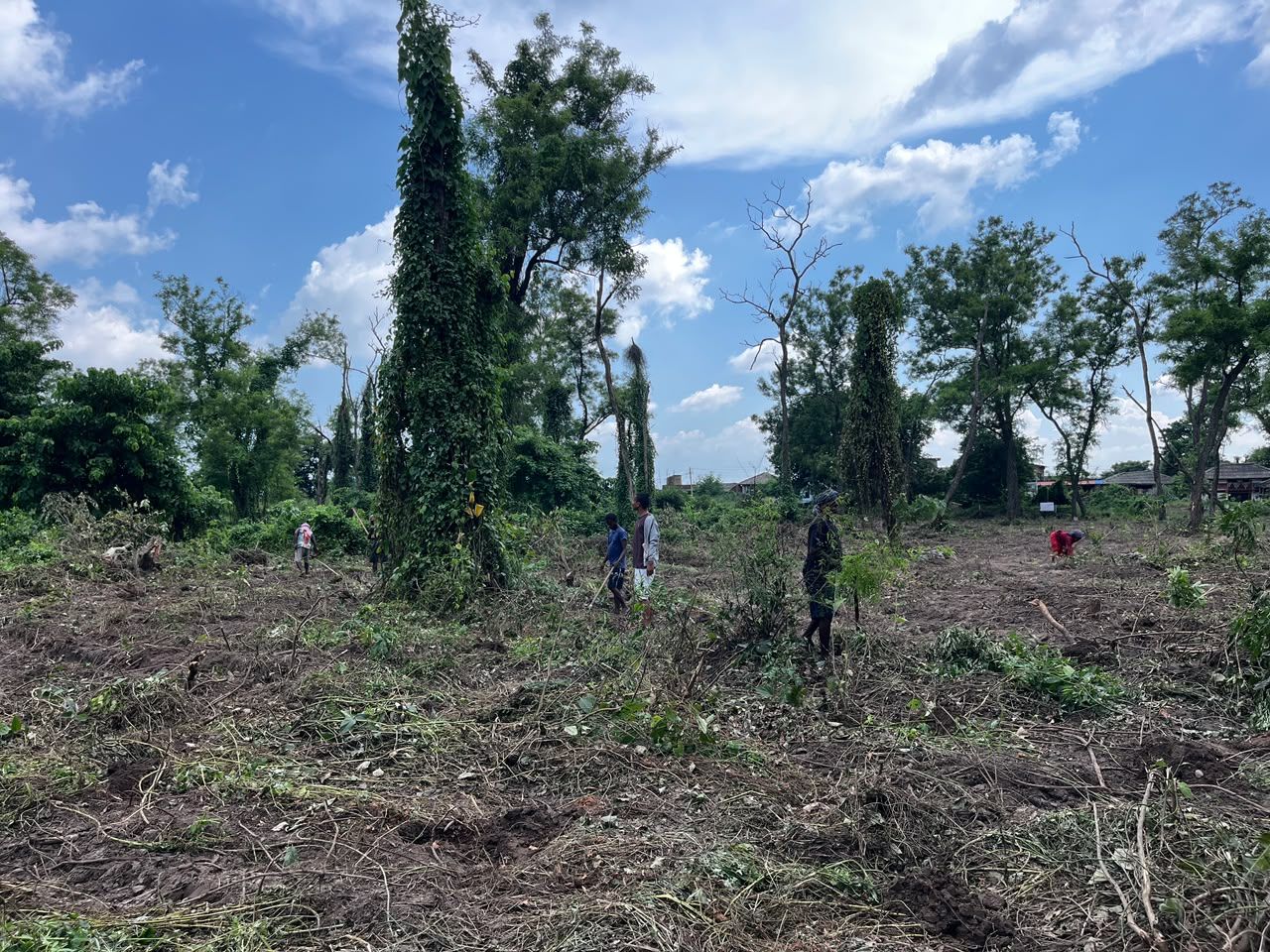
A 1.1 hectare block of forest land, surveyed and replanted on 8 August 2026 with 4,100 saplings of six species. The outline is the surveyed boundary, with five GPS reference points.
 Youth campThe cohort at the Youth HRD Camp
Youth Human Rights Defenders Camp
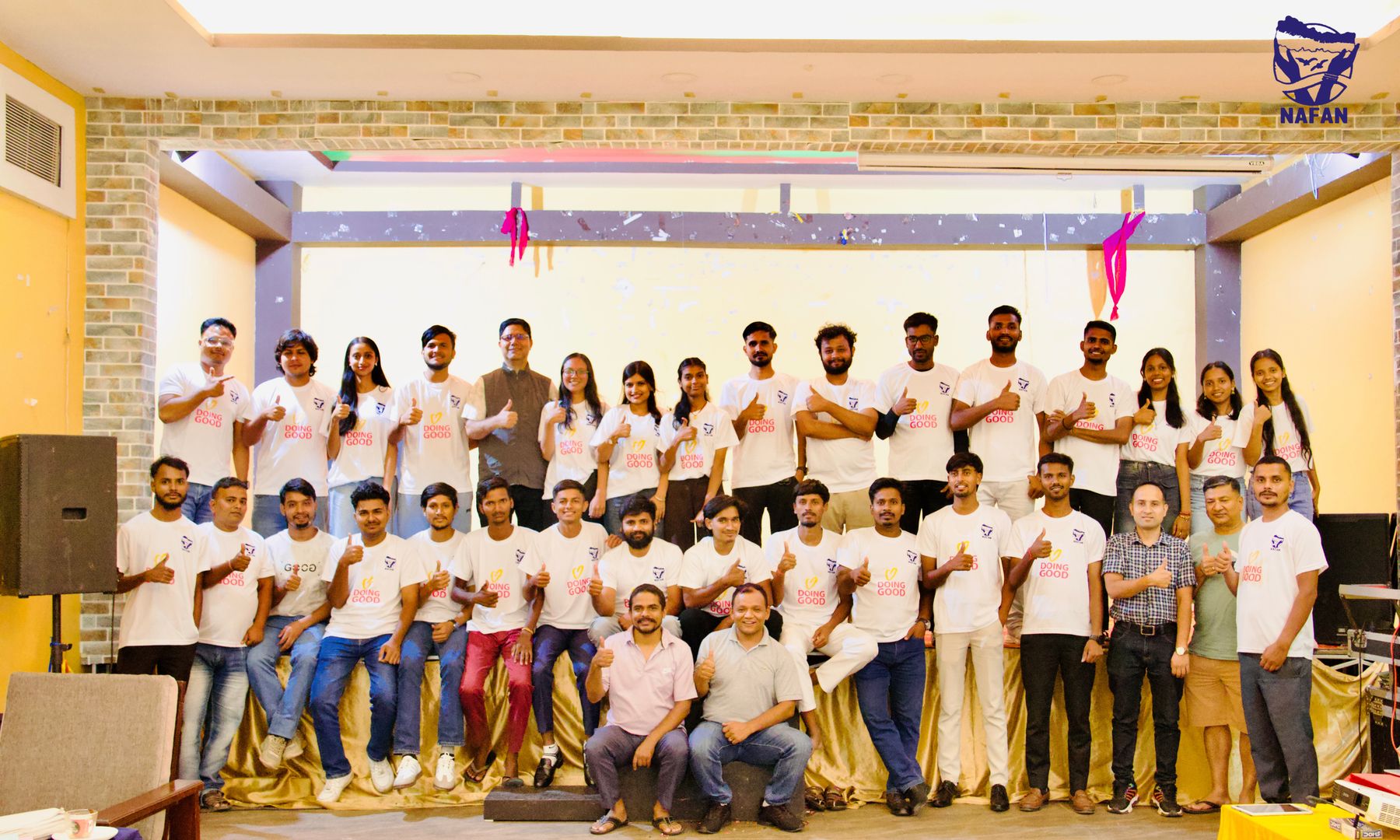
Four residential days on human rights, ecology and community forestry. Places were shared across the three districts on this map.
 MunicipalityPartners at the Tamagadhi plantation
Kolhabi Municipality
The Tamagadhi block plantation sits inside this municipality. Select the marker to zoom to the surveyed block.
Programmes
What we did in the 2026 season
Choose a programme to see where it took place, what happened, who we worked with and the photographs.
Plantation
11
- 4,100saplings planted
- 1.1 hablock surveyed
- 6tree species
Click to see the full story
Tamagadhi Block Plantation
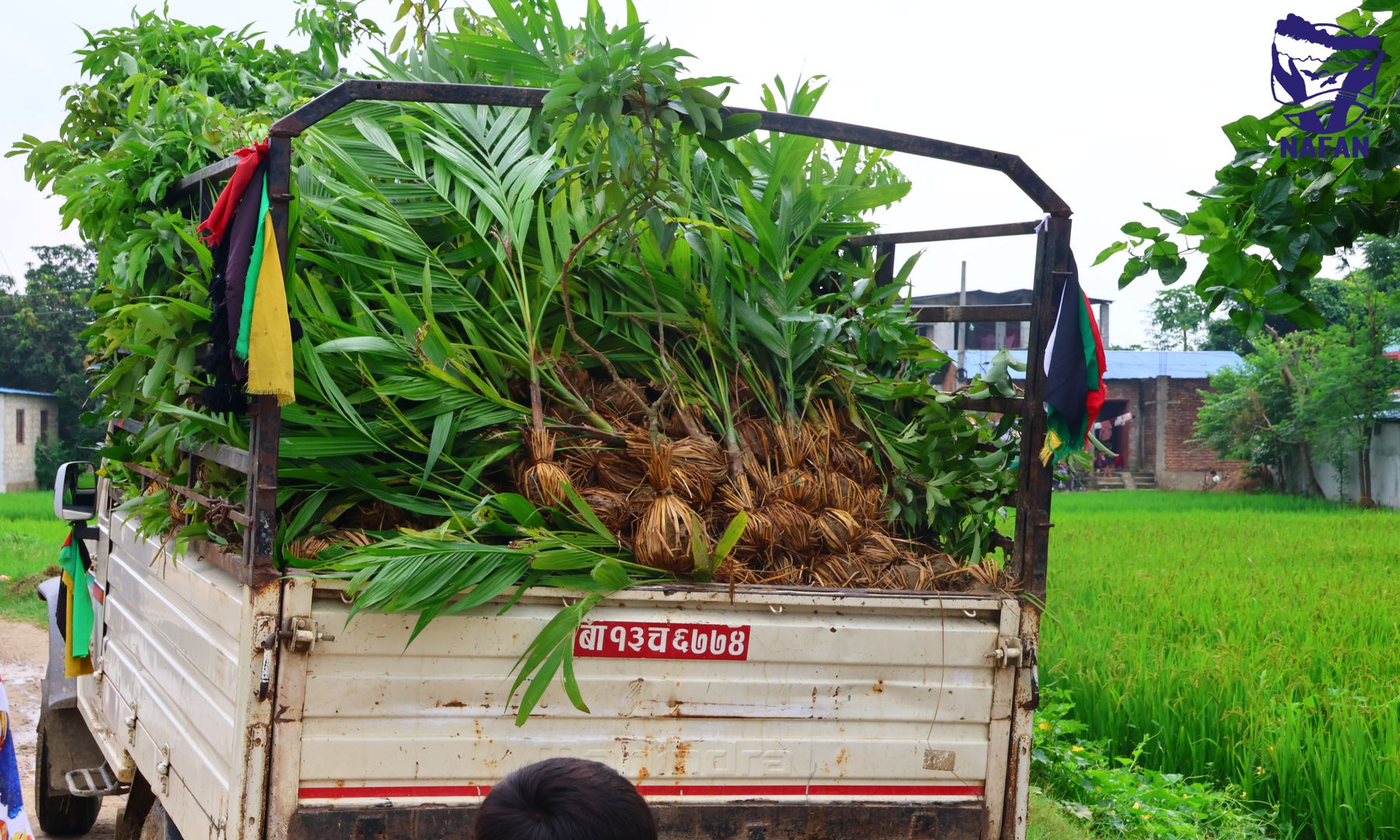
4,100 saplings of six species planted on a surveyed 1.1 hectare block of forest land, together with the local community forest user group and the Sub-Division Forest Office.
- 4,100saplings planted
- 1.1 hablock surveyed
- 6tree species
 Plantation
10
- 5,000saplings (about)
- 14settlements
- 2field days
Click to see the full story
Household Fruit Plantation
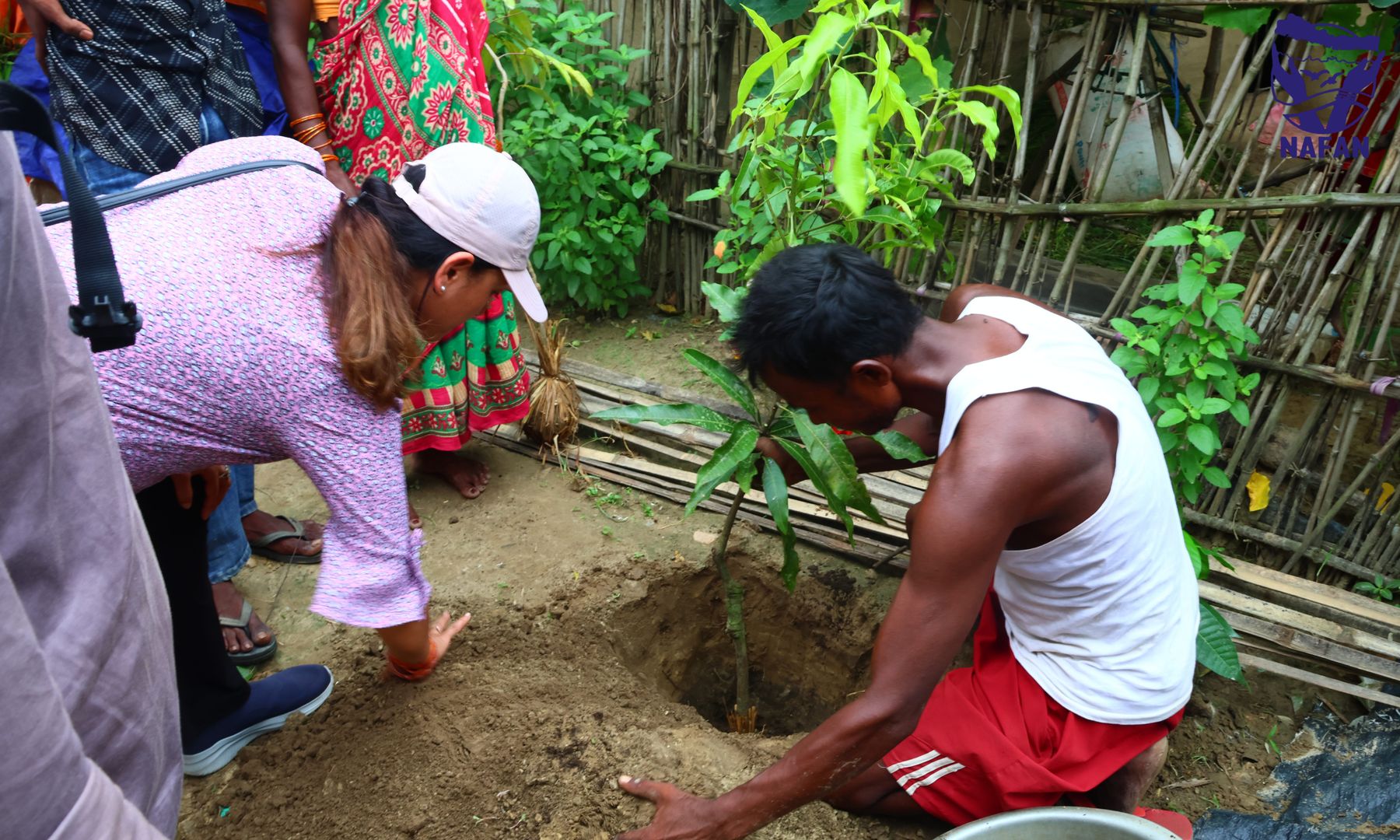
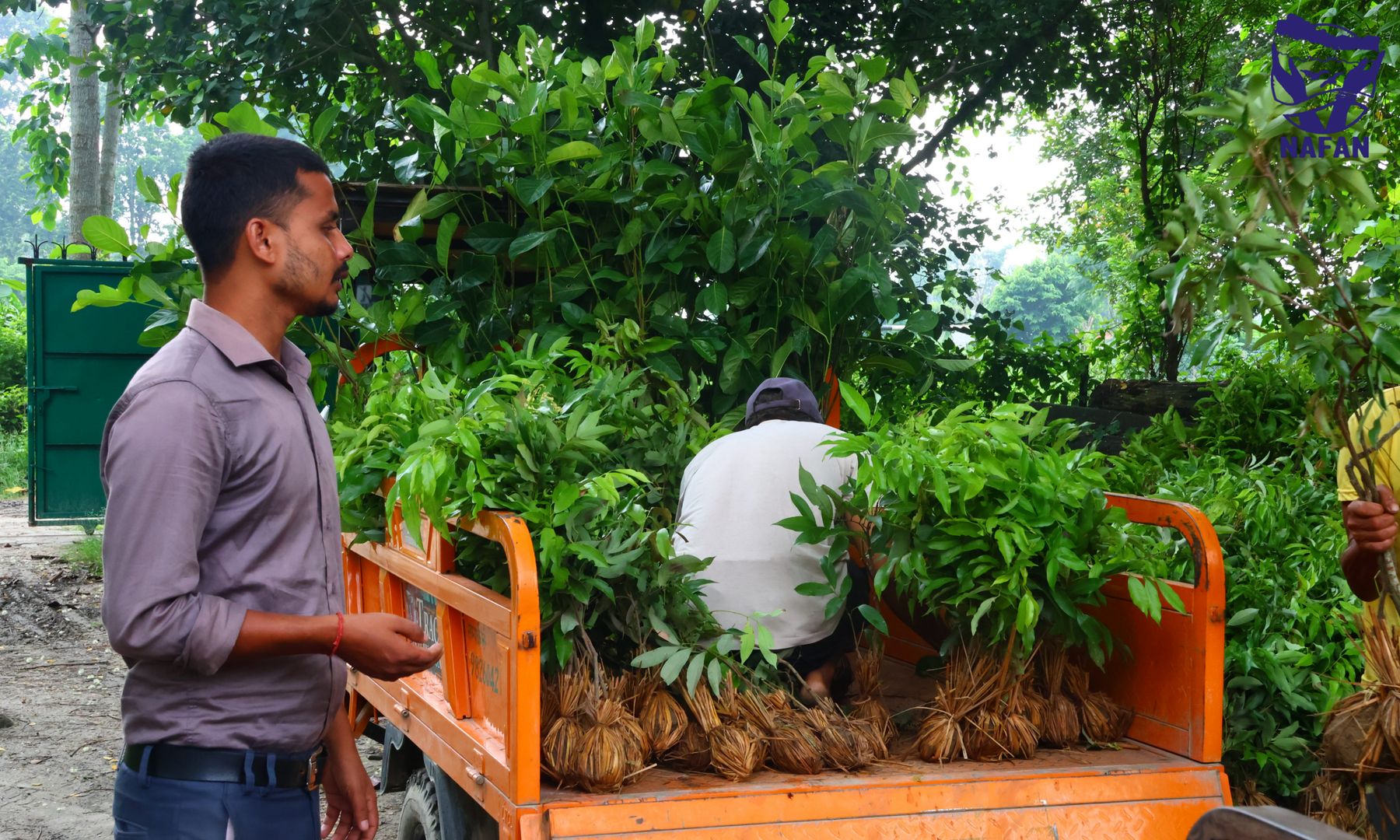
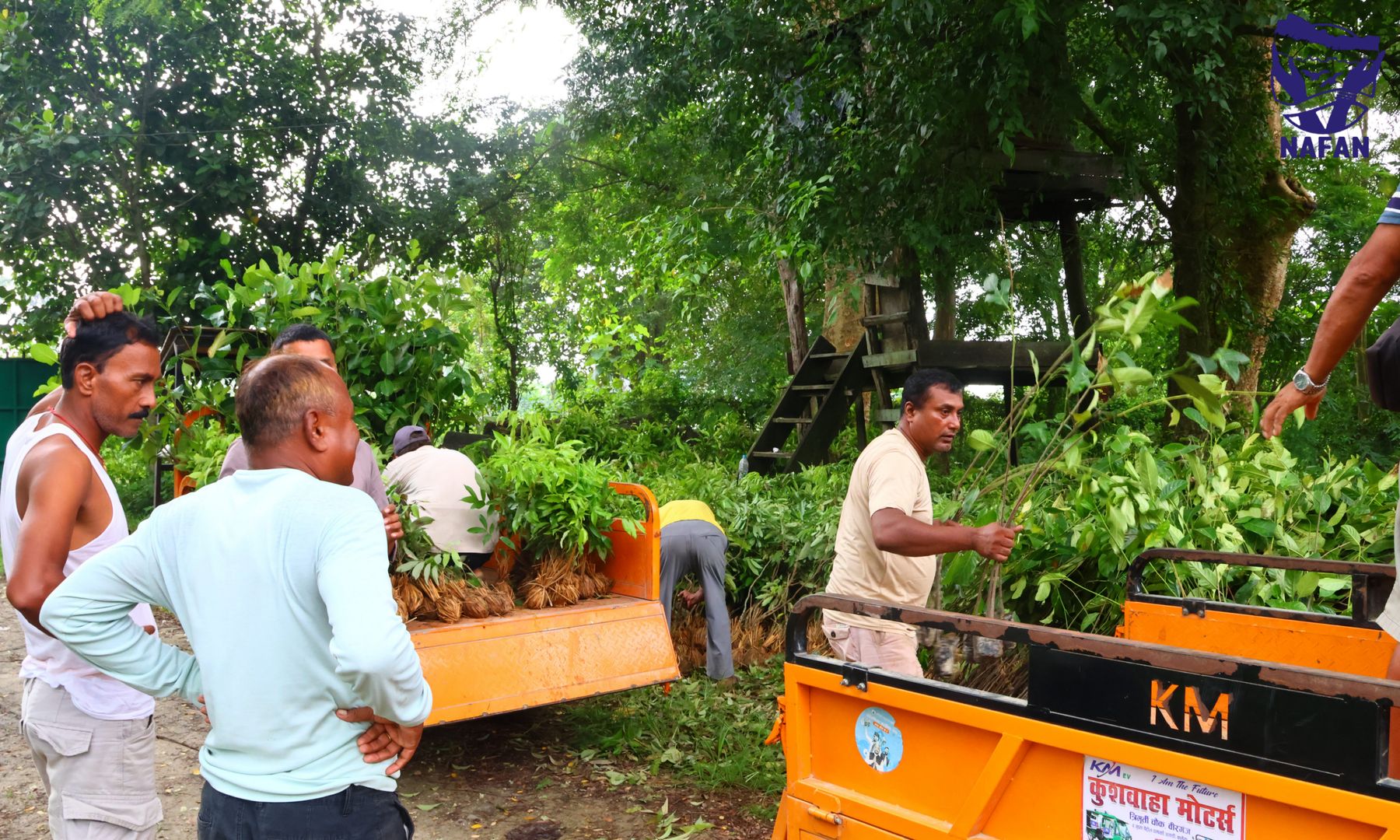
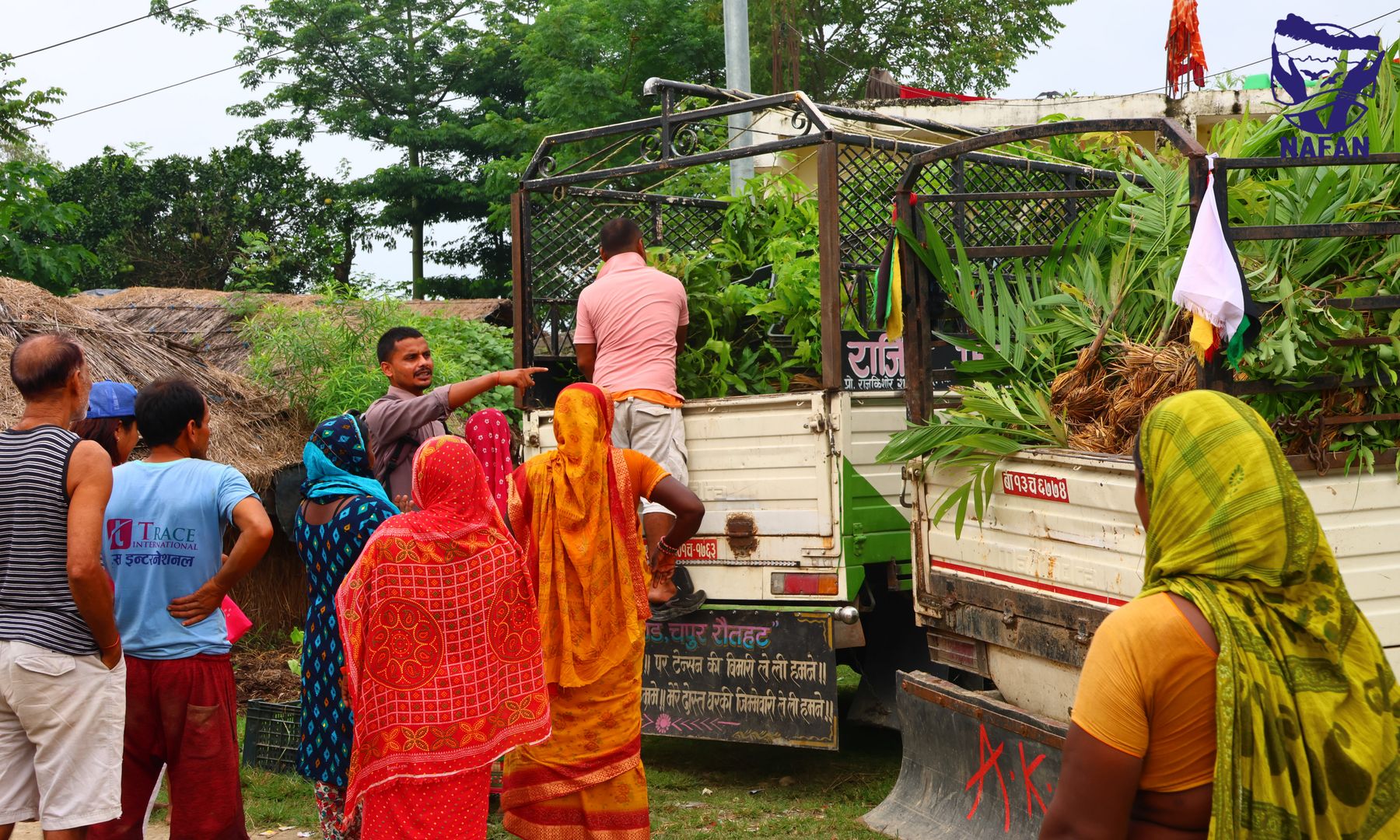
About 5,000 fruit saplings placed in the hands of households across 14 settlements, with planting demonstrations so every tree gets a good start.
 Plantation
10
- 8public schools
- 427plants
- 0.3 haplanted
Click to see the full story
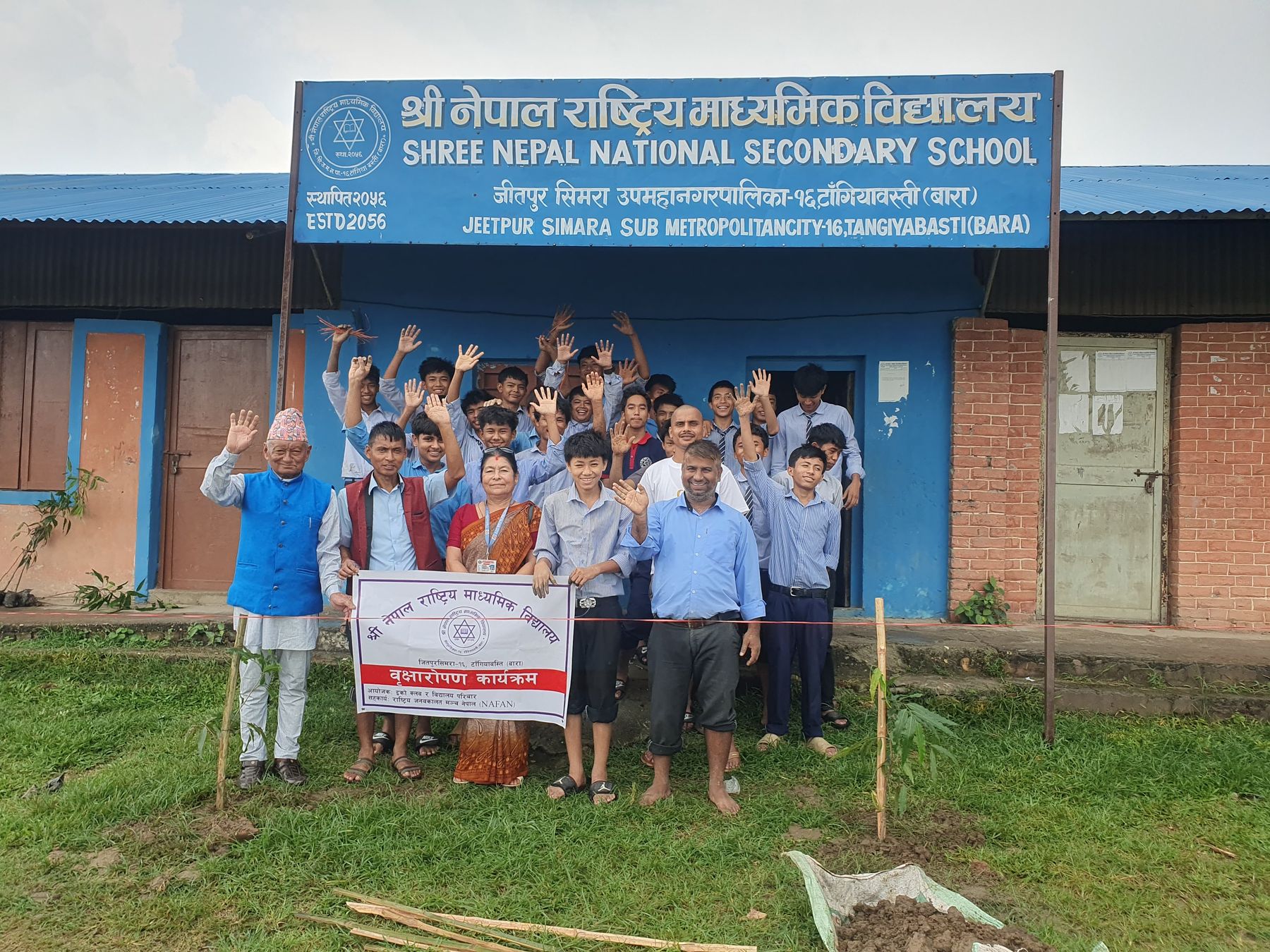
School Plantation Campaign
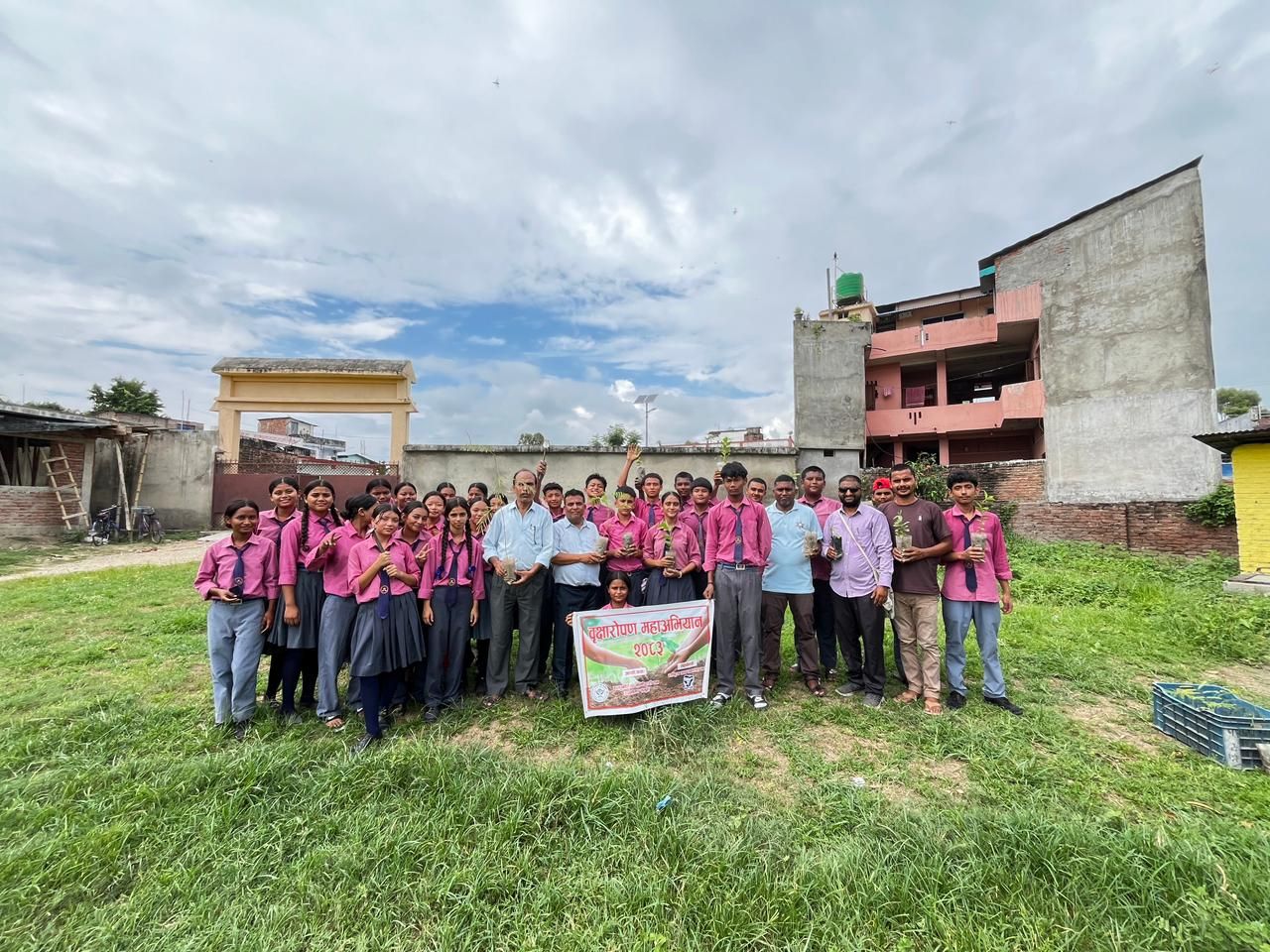
Eight public schools planted 427 saplings on school grounds and community plots, guided by the Halkhoriya Collaborative Forest User Group.
 Youth
11
- 72applications
- 29participants
- 3districts
Click to see the full story
Youth Human Rights Defenders Camp
Four days of residential training in Simara for 29 young people from Bara, Parsa and Rautahat on human rights, gender-based violence, ecology and community forestry.
 Youth
8
- 8school eco clubs
- 2days
- 140+people reached
Click to see the full story
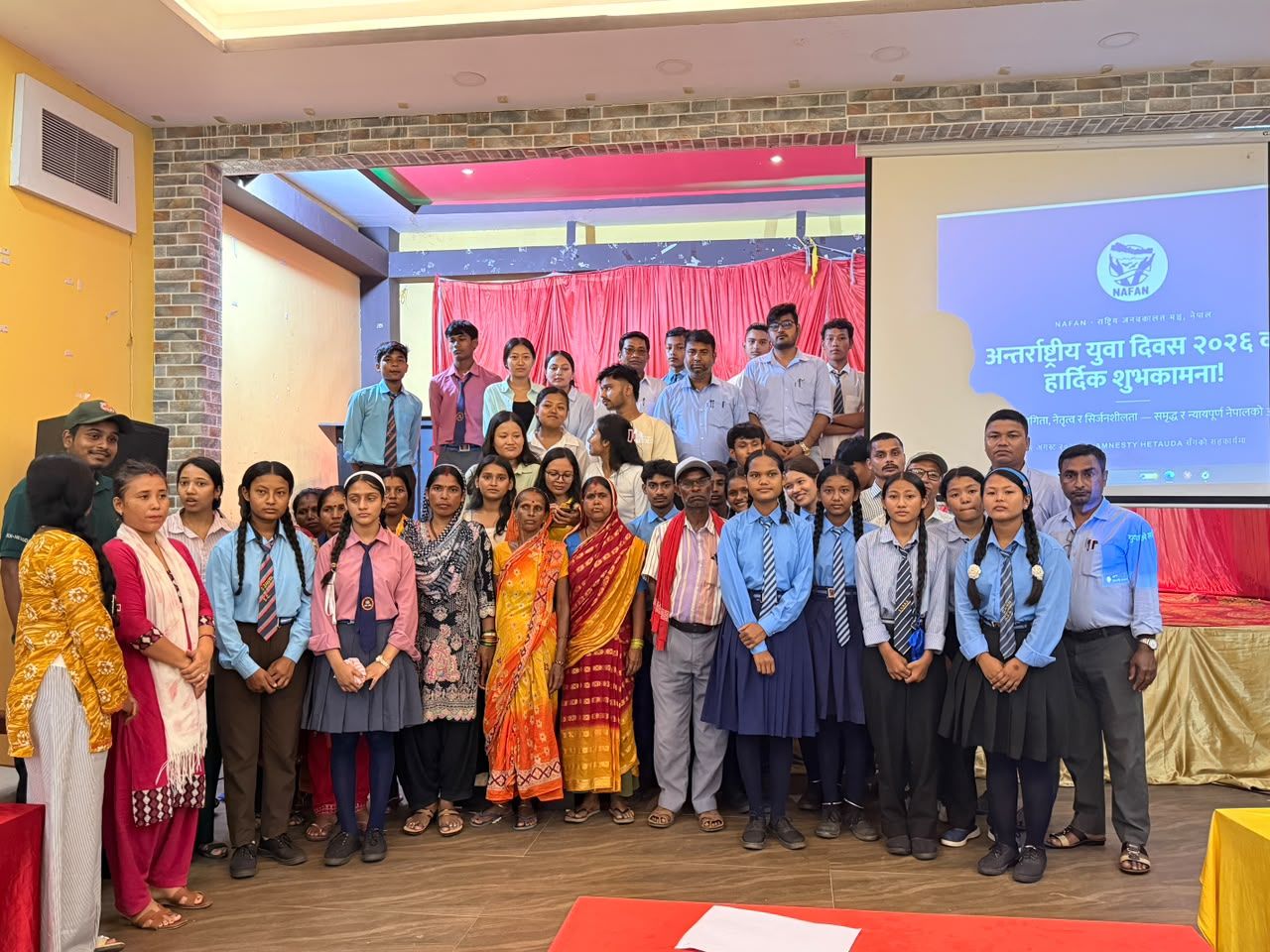
Living with Wildlife: Youth Day 2026
Two days of youth-led sessions on sharing land with wildlife, from a hall in Simara to street theatre at a school gate and in a neighbouring community.
 Community
5
- 3communities
- 60women per site (estimate)
Click to see the full story
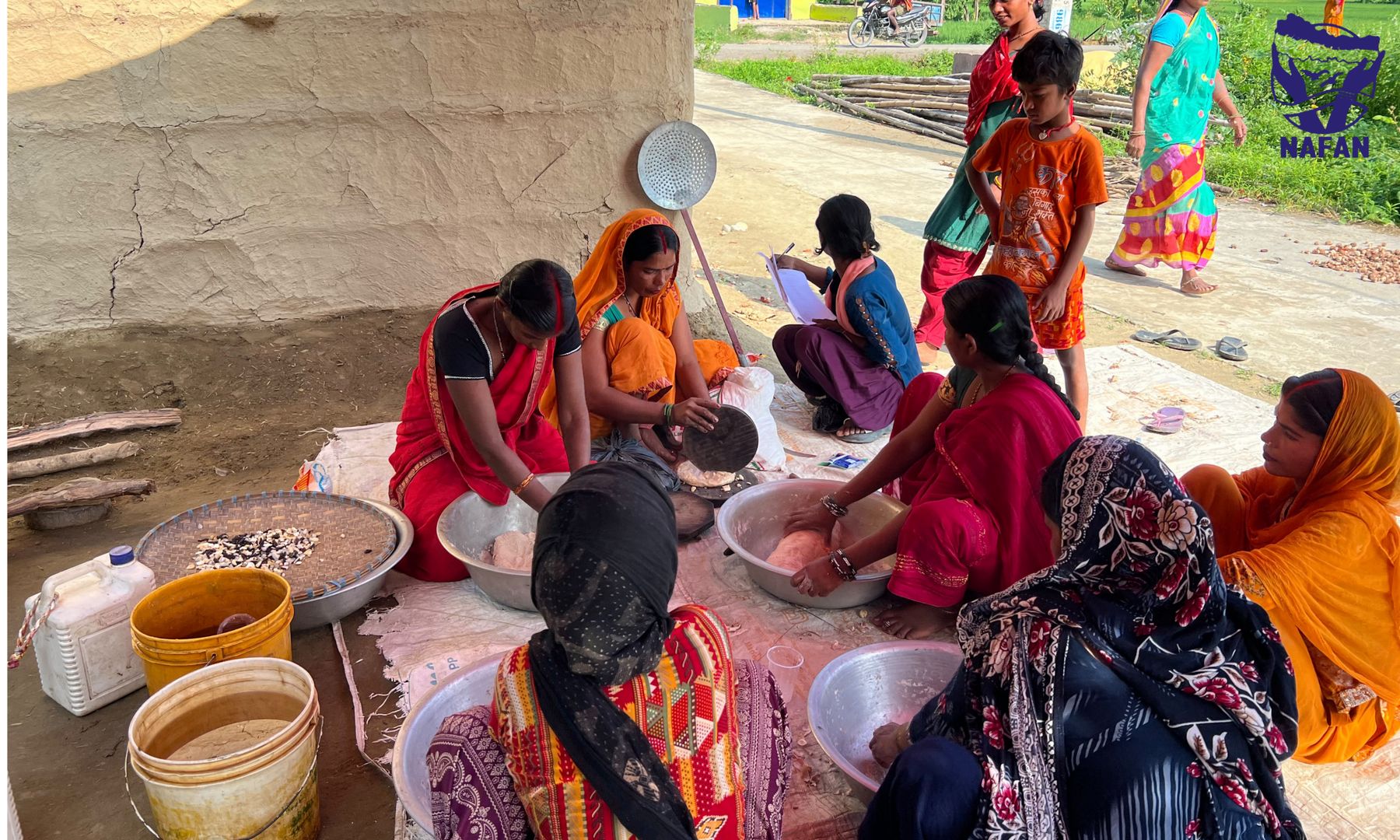
Teej Dar 2083
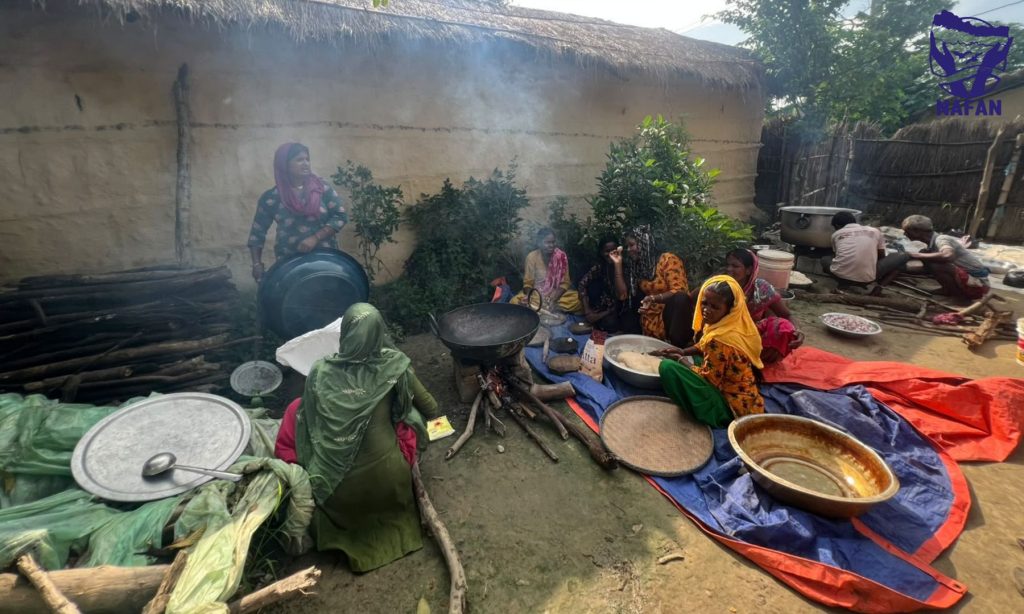
Women in three Bara communities came together to cook and share the traditional Teej dar meal, with NAFAN supplying provisions, milk and cooking materials.
 Community
5
Click to see the full story
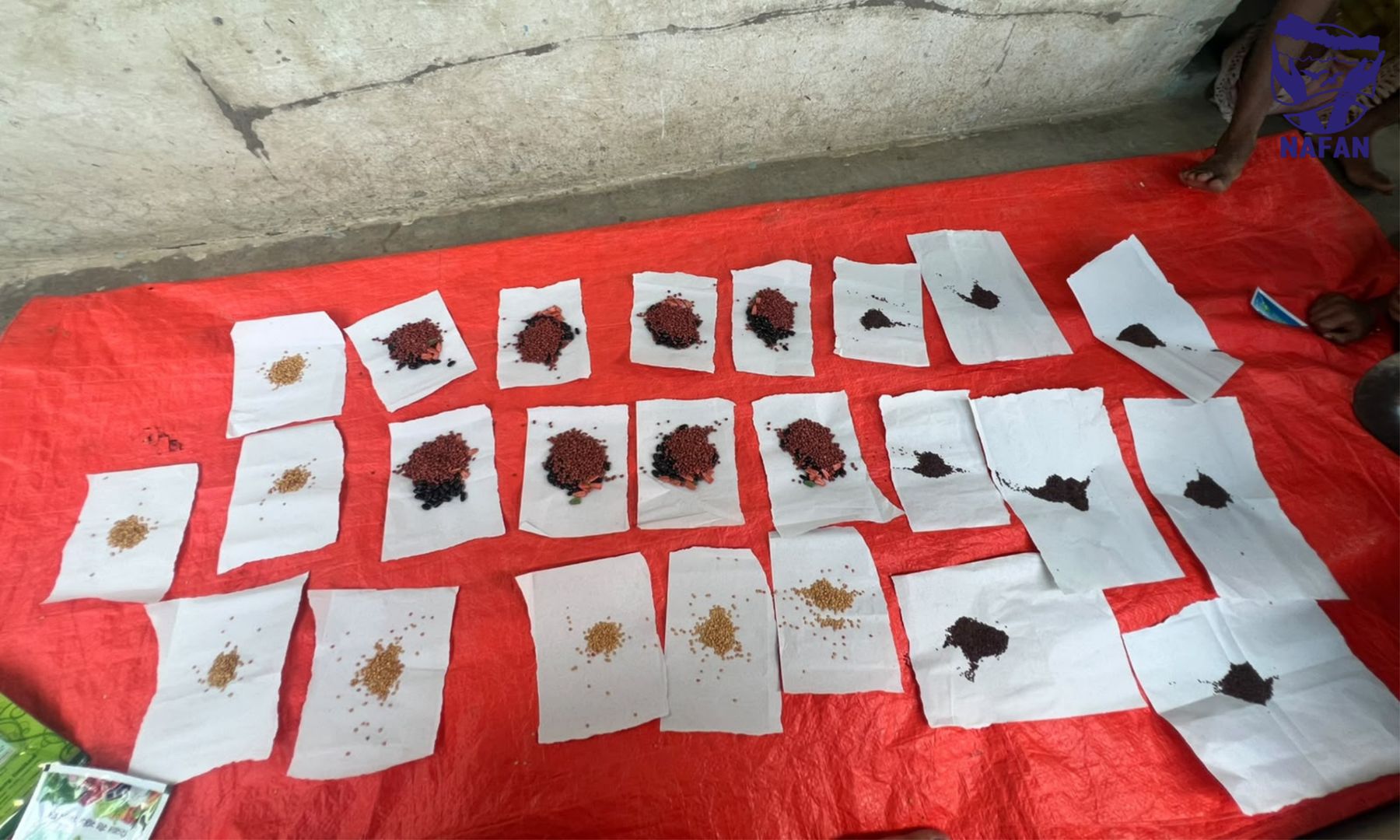
Seed Sharing with Women's Groups
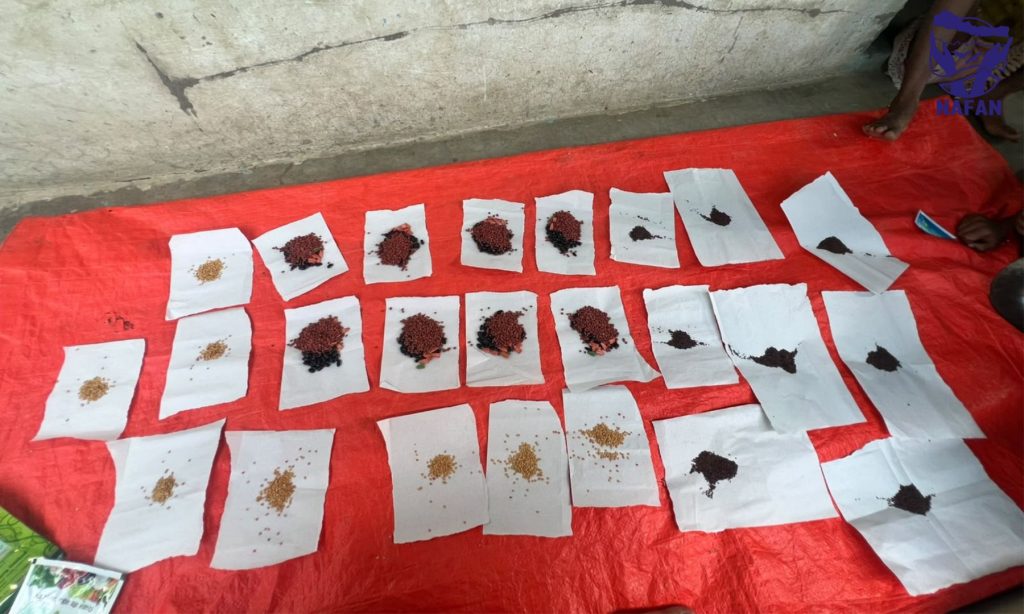
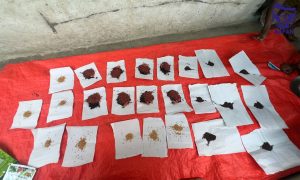
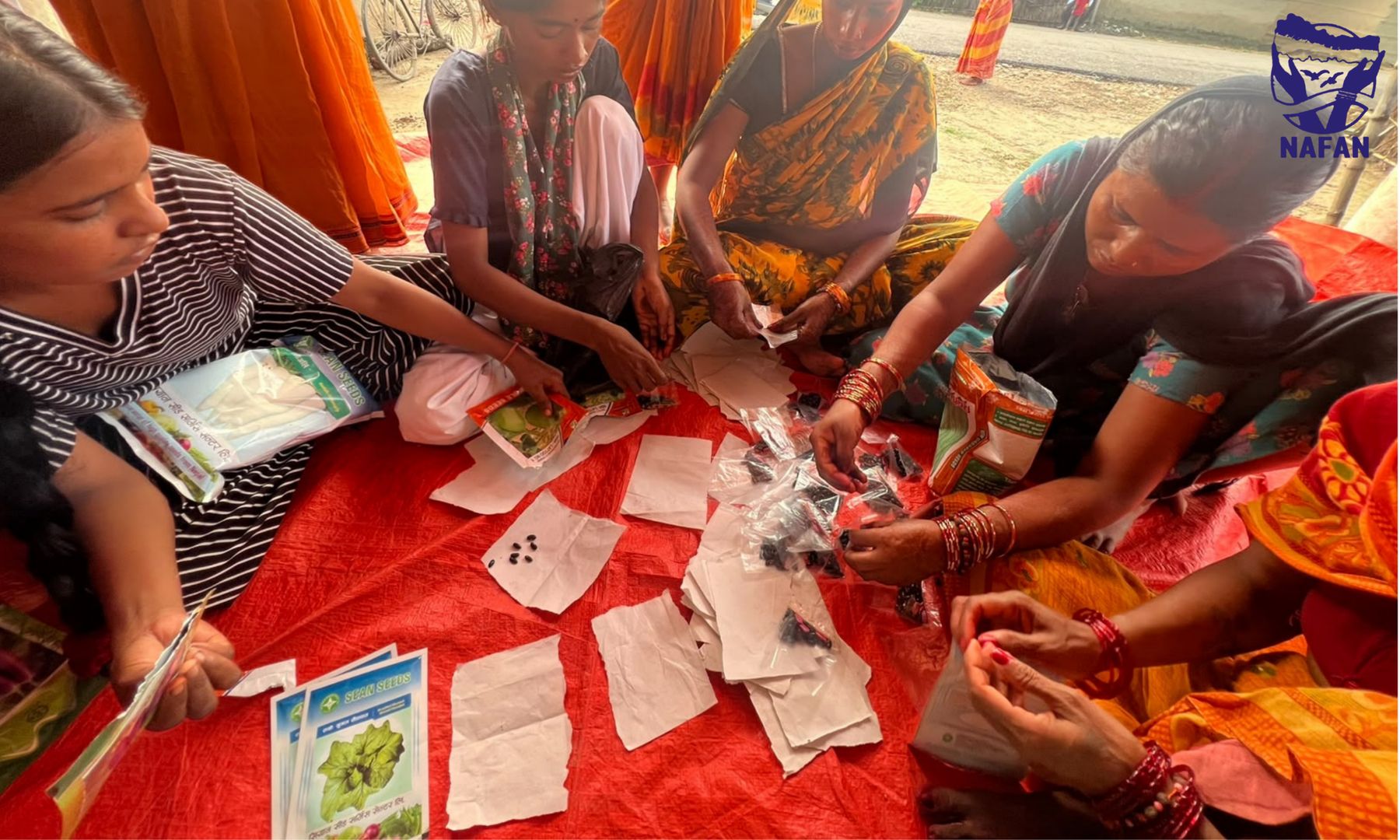
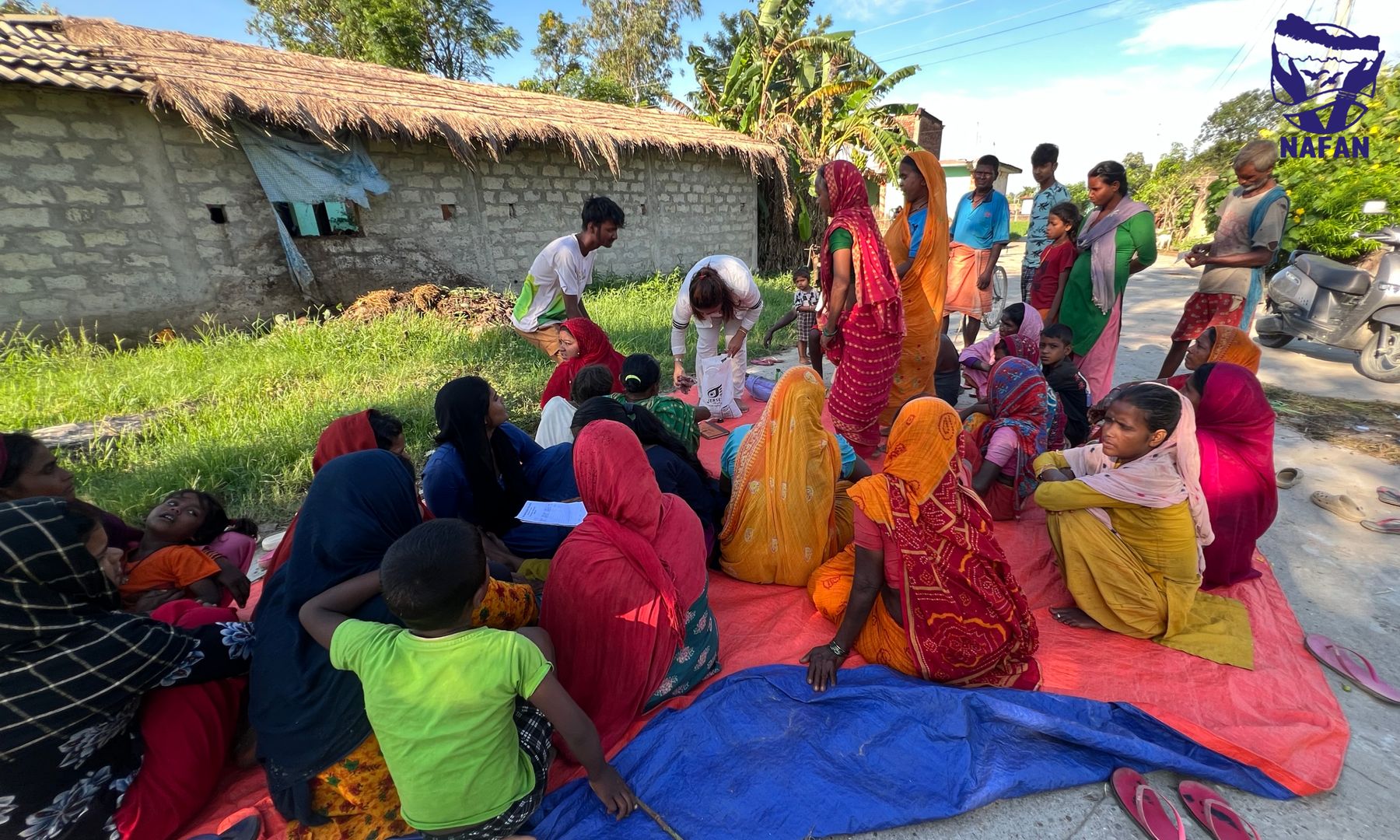
Women sort seed into small packets to share among group members, and prepare raised seedbeds to start seedlings.
The season as it happened
From the first sapling to the last session
Seven programmes, one monsoon season. Follow the line down the page to see how the work unfolded.
 Plantation
Household Fruit Plantation
About 5,000 saplings reach households across 14 settlements in Jitpur Simara.
 Plantation
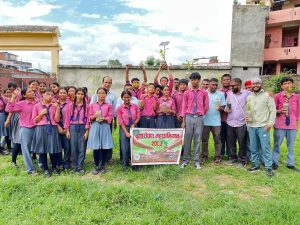
School Plantation Campaign
Eight school eco clubs plant 427 saplings in Jitpur Simara.
 Plantation
Tamagadhi Block Plantation
One planting day, 4,100 saplings, at Tamagadhi in Kolhabi.
 Youth
Living with Wildlife: Youth Day 2026
Youth Day sessions and street theatre on living with wildlife.
 Youth
Youth Human Rights Defenders Camp
Four days of training for 29 young people from three districts.
 Community
Teej Dar 2083
Women cook and share the Teej dar meal in three Bara communities.
 Community
Seed Sharing with Women's Groups
Seed passed from hand to hand among women's groups.
Photo stories
Moments from the field




How we work
Four habits behind every programme
Start with the community
We plan with forest user groups, schools, women's groups and the local forest office before we act.
Work side by side
Planting days, camps and sessions are run together with the people who will live with the results.
Share skills
Every programme carries training, from planting technique to human rights and wildlife safety.
Follow through
We look after what we plant and check what survives. A survival assessment is being designed now.
Partners
Made possible together
Every programme here was delivered with forest user groups, schools and organisations who know their communities.
Shanti Sewa Griha
Household fruit plantation across 14 settlements in Jitpur Simara.
Amnesty International (Hetauda)
Youth Day 2026 sessions on living with wildlife.
Sub-Division Forest Office, Bara
Supplied seedlings and a vehicle for the Tamagadhi plantation.
Tamagadhi Collaborative Forest User Group
Planned and planted the Tamagadhi block with us.
Halkhoriya Collaborative Forest User Group
Led the school plantation campaign.
School eco clubs
Eight public schools in Jitpur Simara.

Work with us
Plant, learn and build something lasting
Whether you represent a school, a forest user group, a donor or a fellow organisation, we would like to hear from you.

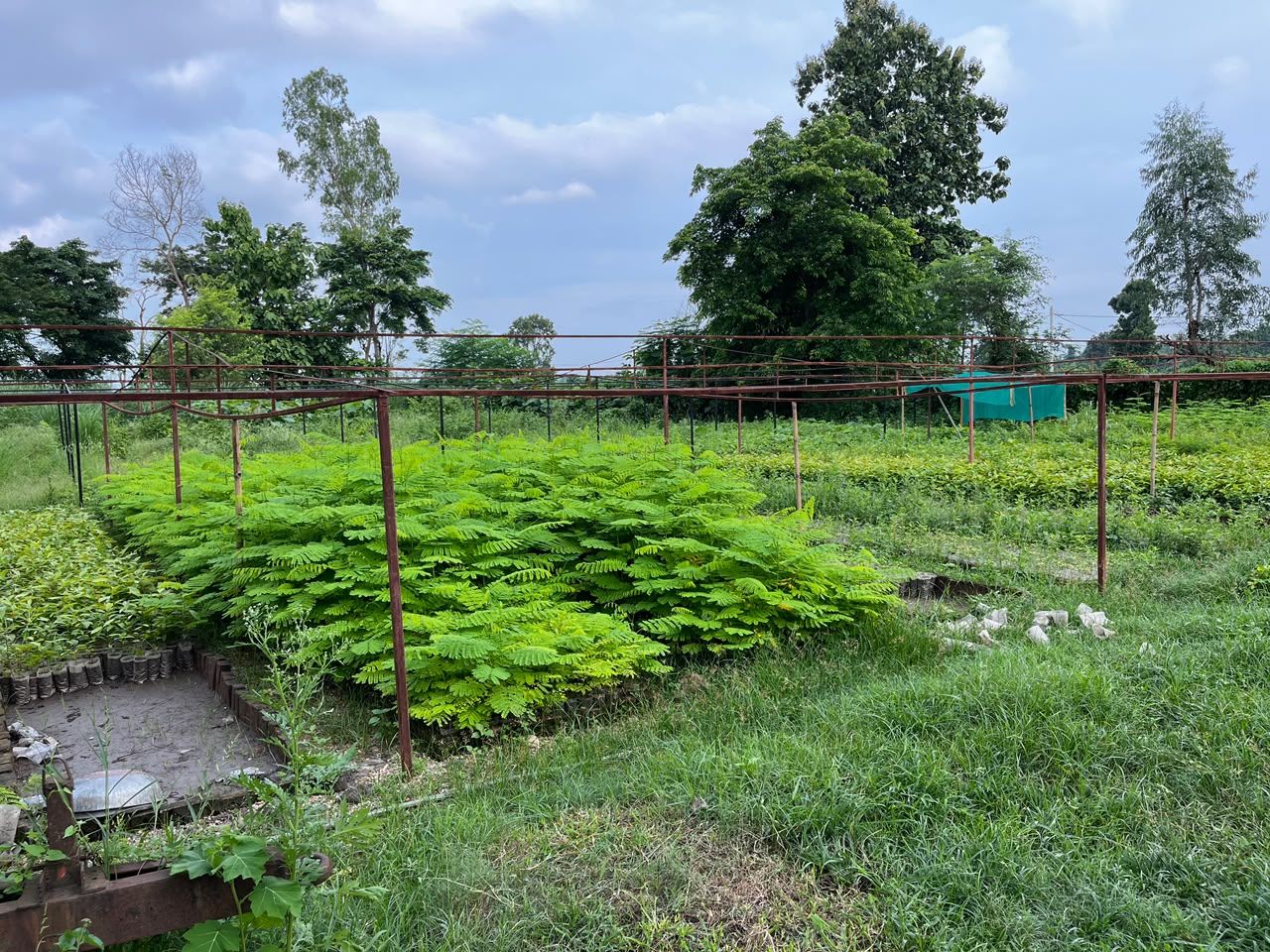
Tamagadhi Block Plantation
A cleared block of forest land in Kolhabi Municipality was surveyed, marked out and replanted in a single planting day.
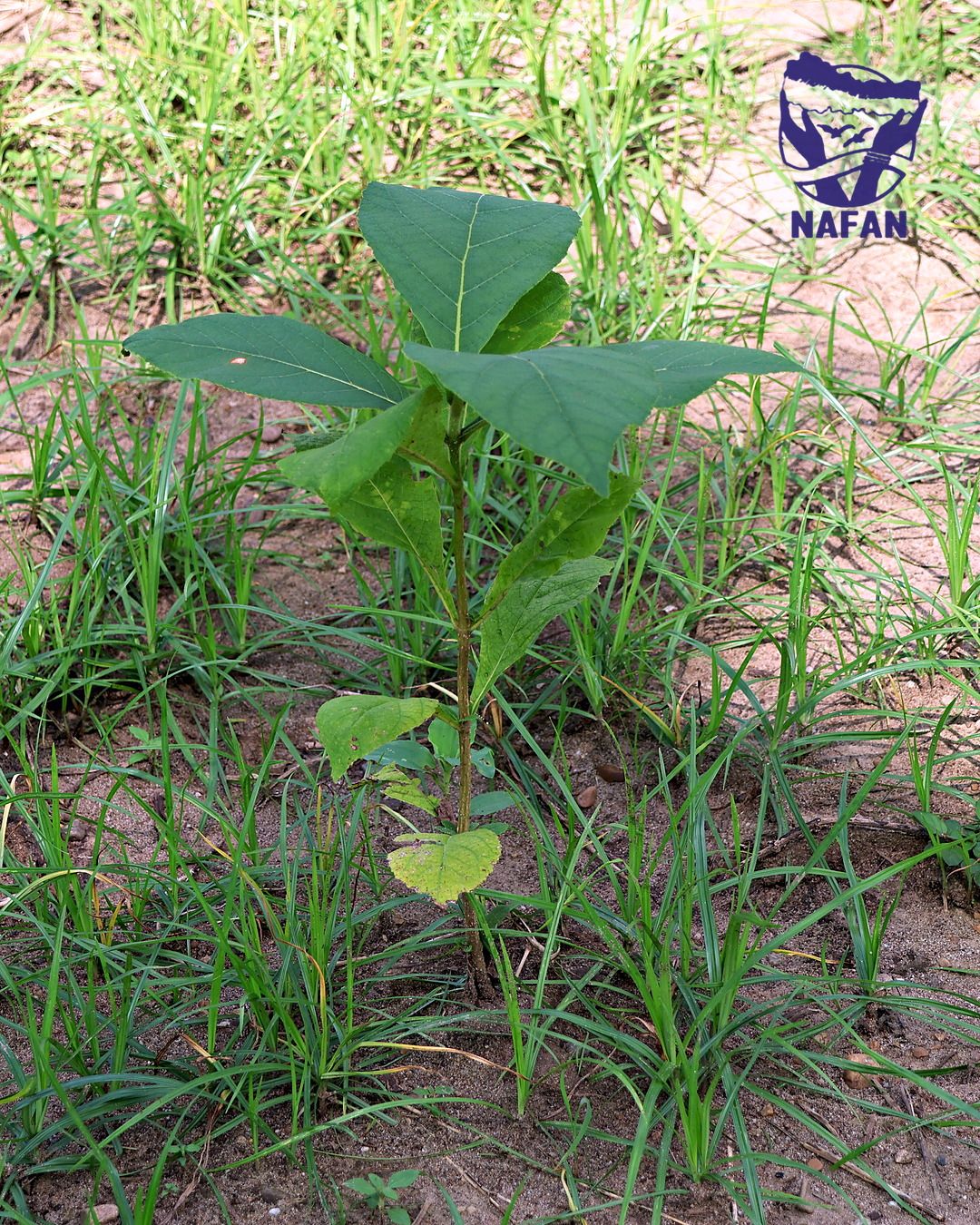
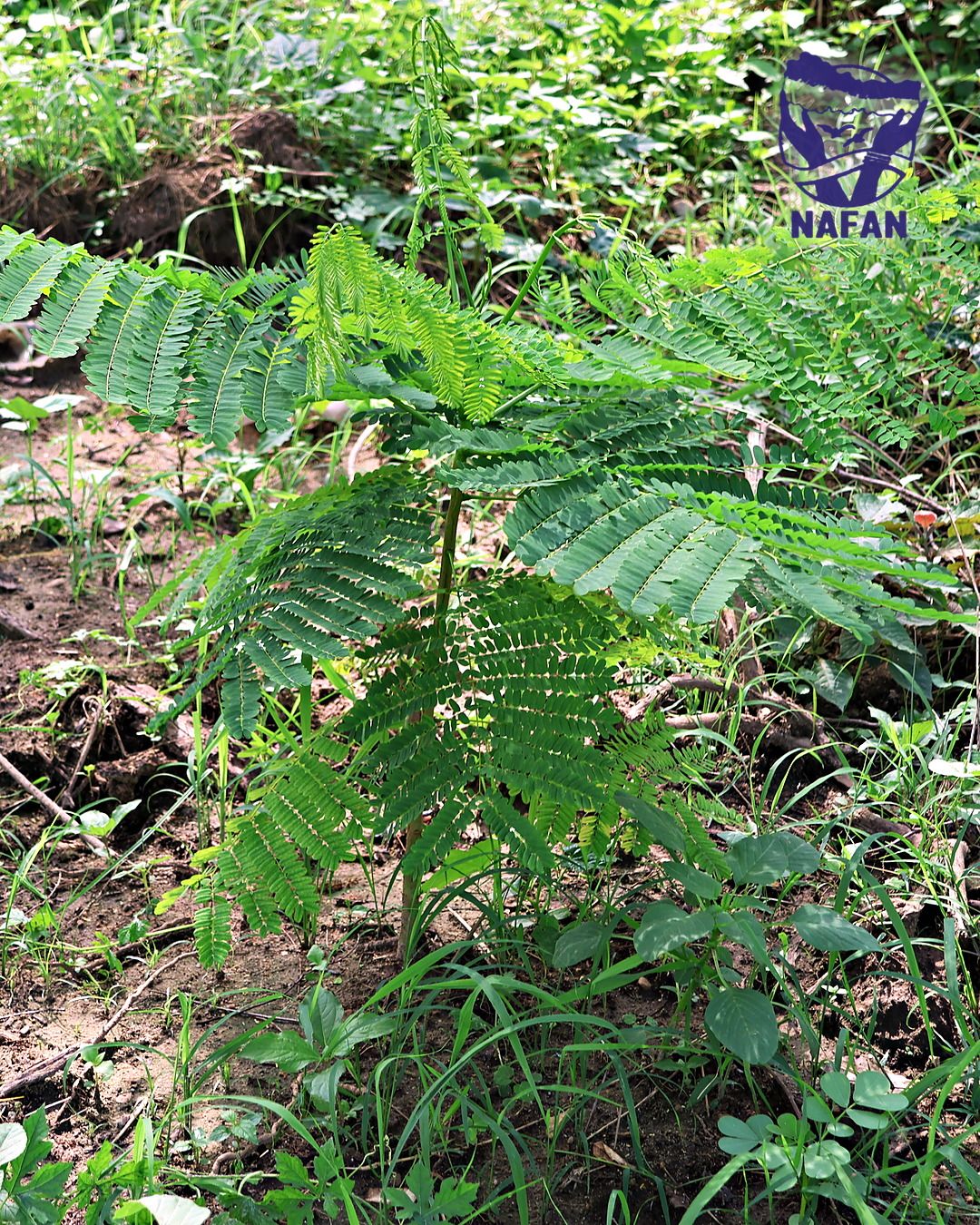
- Six species went in: teak and Malaysian sal (1,000 each), gulmohar, amala and guava (600 each) and jacaranda (300), at about 3,700 stems per hectare.
- The Tamagadhi Collaborative Forest User Group and the Sub-Division Forest Office, Bara, planned and planted with us. The forest office supplied seedlings and a vehicle.
- Satellite records show closed forest cover on this site until 2023, so the plantation restores forest that was lost.
- NAFAN organised the planting crews for a remote site.
What comes next
Protecting the seedlings from browsing in the first two years is the priority, followed by thinning the stand around year five.
Household Fruit Plantation
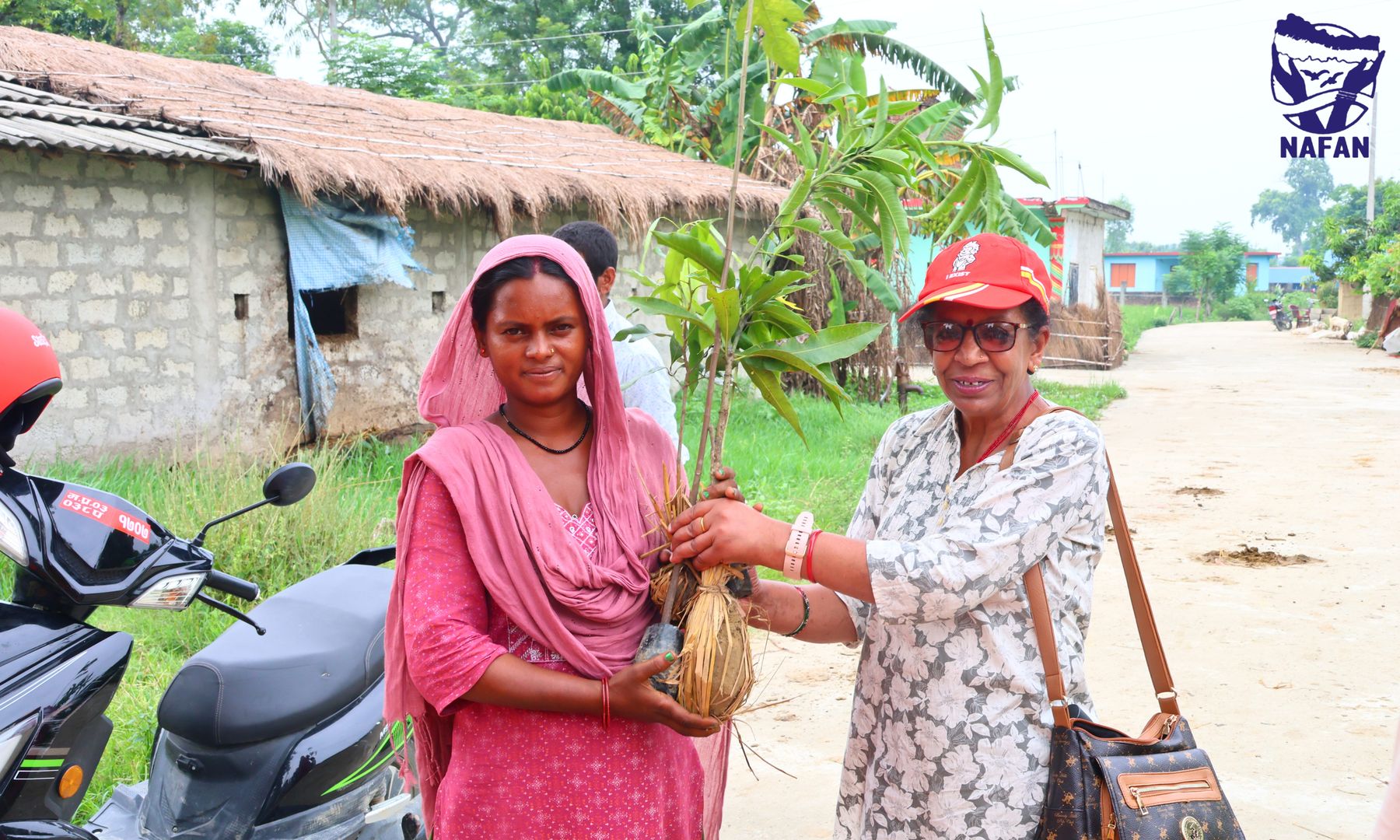
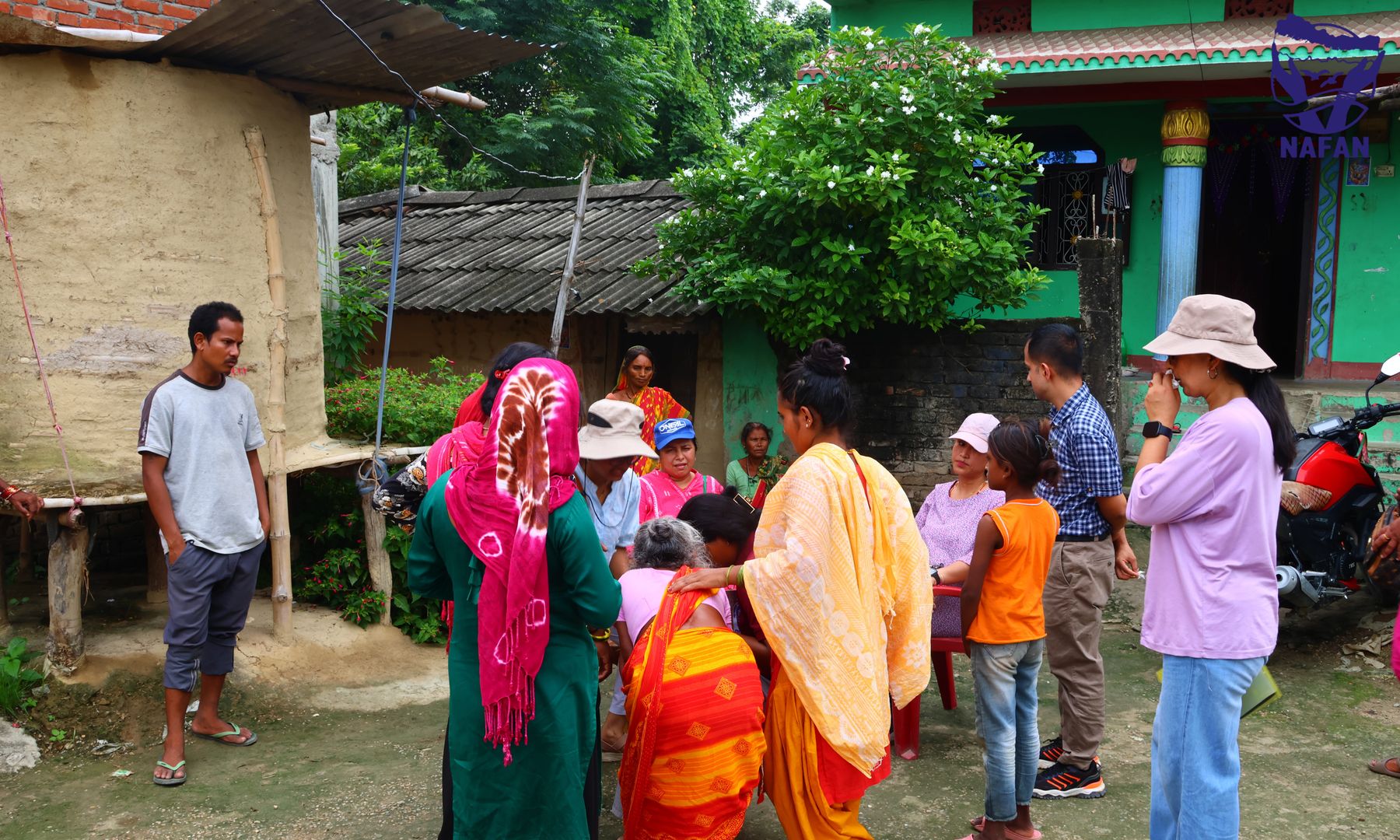
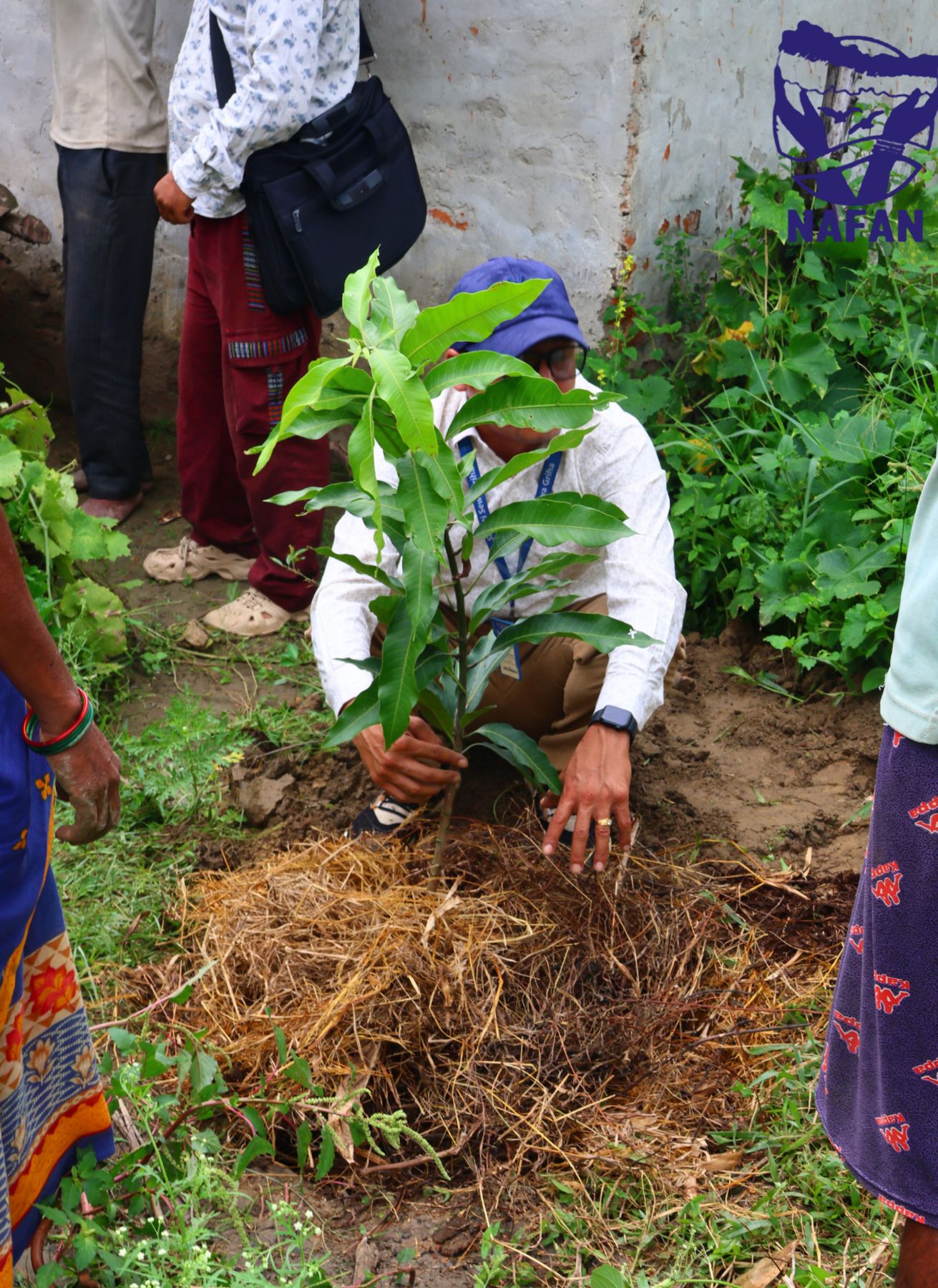
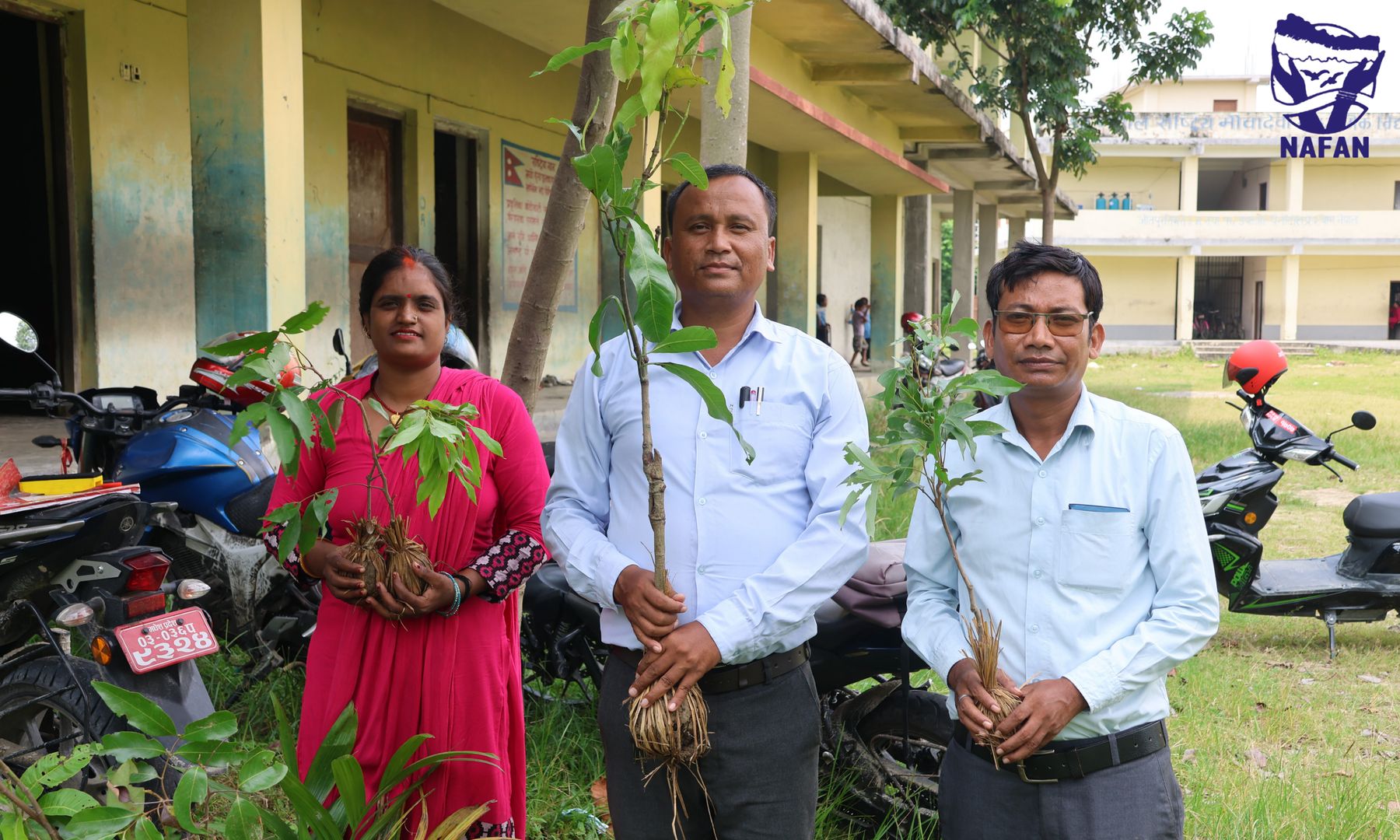
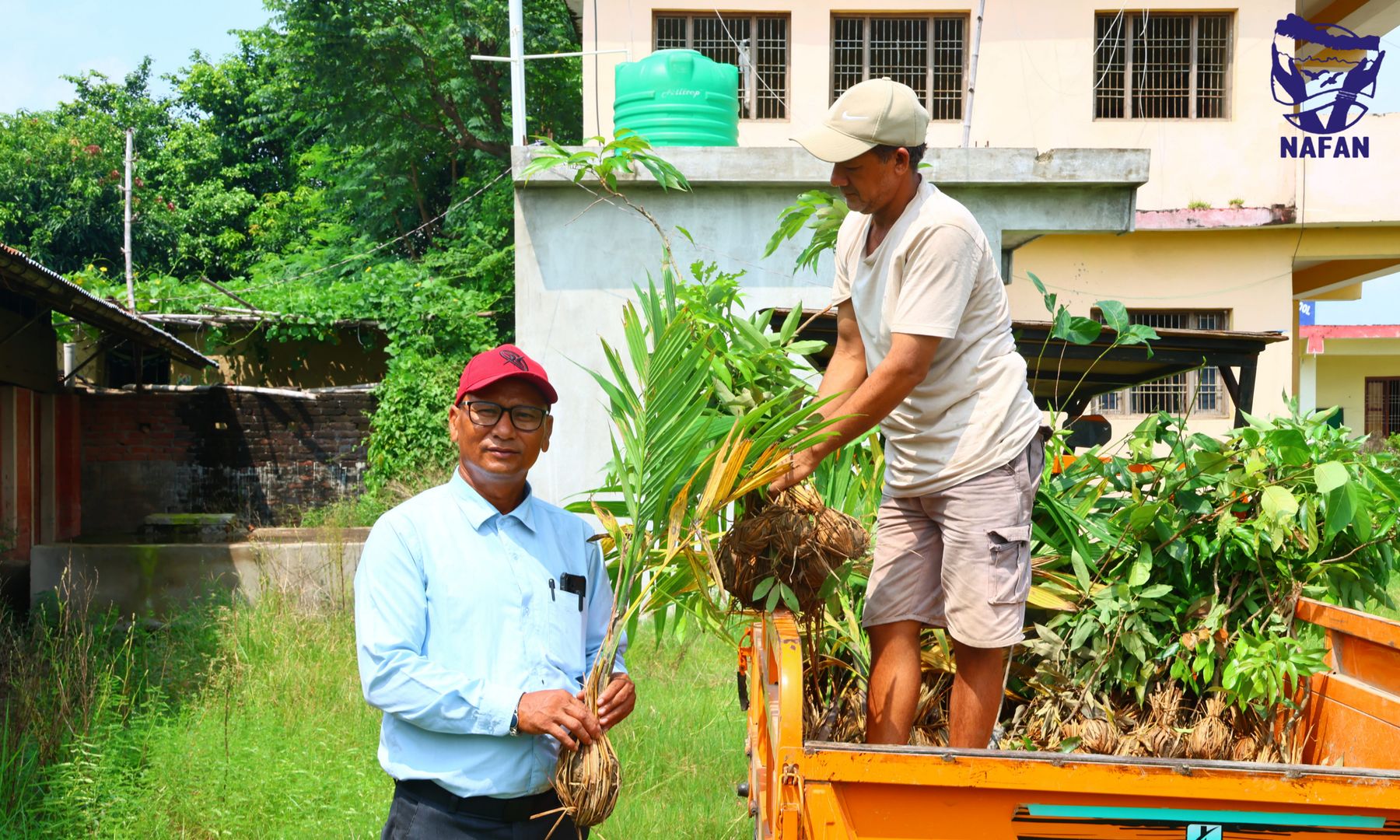
Fruit trees planted at home give a family a reason to look after them for years. This programme put that idea into practice with Shanti Sewa Griha.
- Litchi and mango made up about 70% of the saplings, alongside papaya, mahogany, coconut, custard apple and areca nut.
- Each household received two or three trees, so the family that plants a tree is the one that tends it and eats the fruit.
- Marginalised households and public schools were given priority.
- Households joined training and technical orientation on planting.
What comes next
A survival assessment is being designed, so that we can report how many trees took hold and not only how many were handed out.


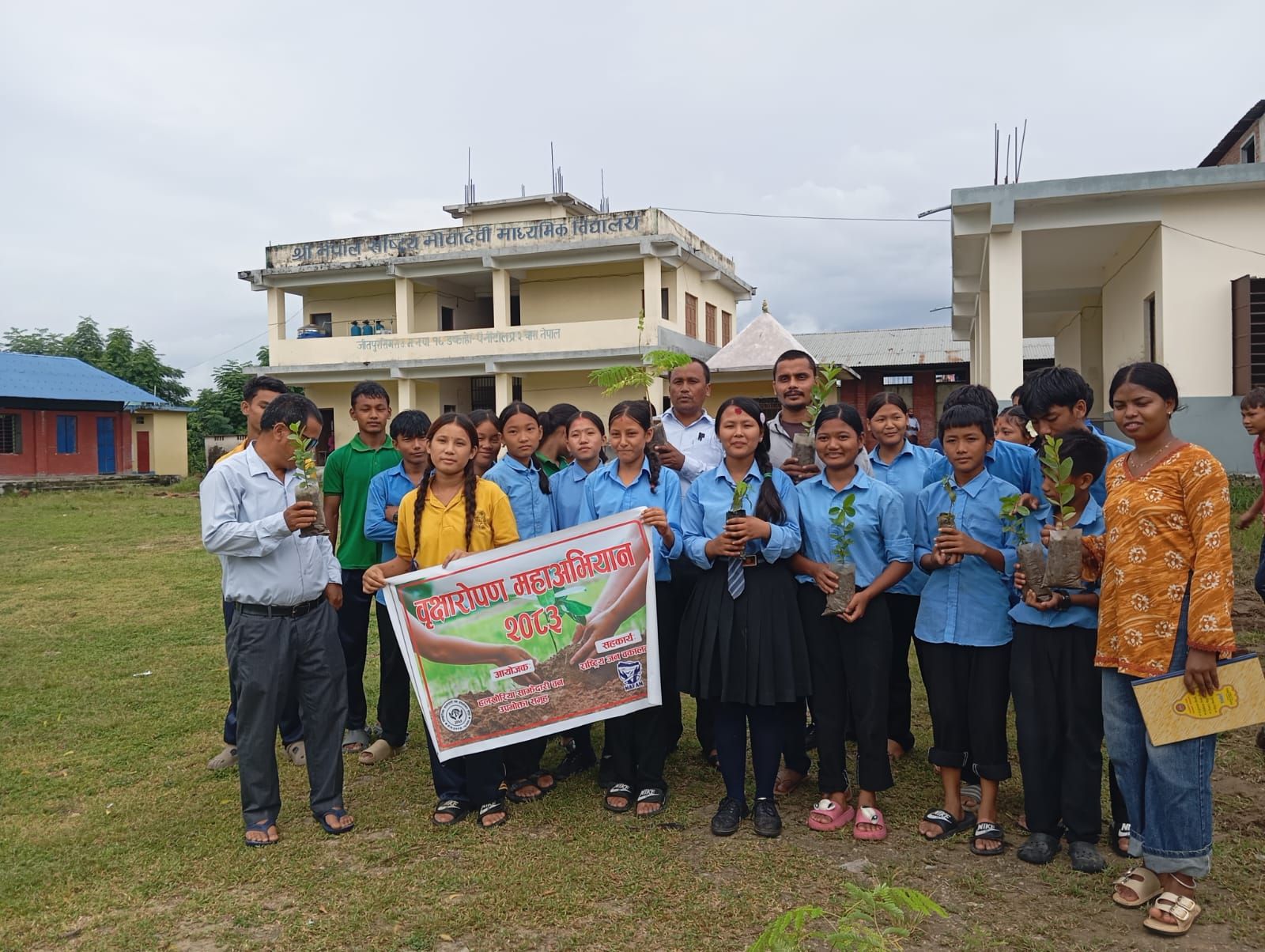

School Plantation Campaign
Students and teachers planted together, so the trees have caretakers who walk past them every day.
- Species included Ashoka, Dhupi, guava, amala and gulmohar.
- The Halkhoriya Collaborative Forest User Group led the campaign, with NAFAN facilitating.
- Bamboo guards protect the young plants after planting.
- The same eight eco clubs then took part in our Youth Day sessions on living with wildlife.

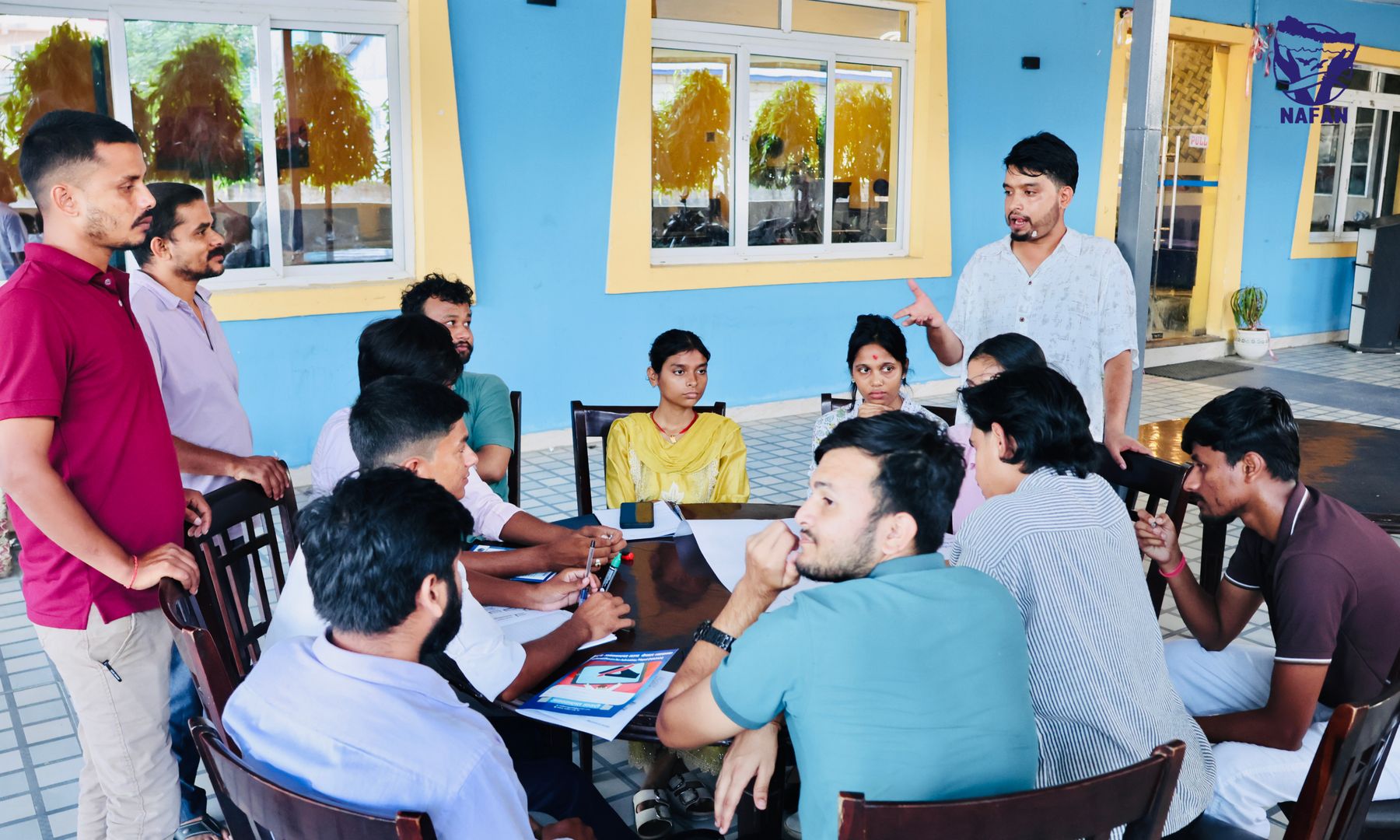
Youth Human Rights Defenders Camp
Young people from three districts spent four days learning, debating and planning together.
- 72 young people applied for 30 places, shared across Bara (15), Parsa (8) and Rautahat (7).
- Sessions covered gender-based violence, human rights, ecology and agriculture, and forests, carbon and community forestry.
- Participants formed working groups for reporting, entertainment and management.
- Field visits in three groups took participants to three community sites, and certificates were presented on the final day.

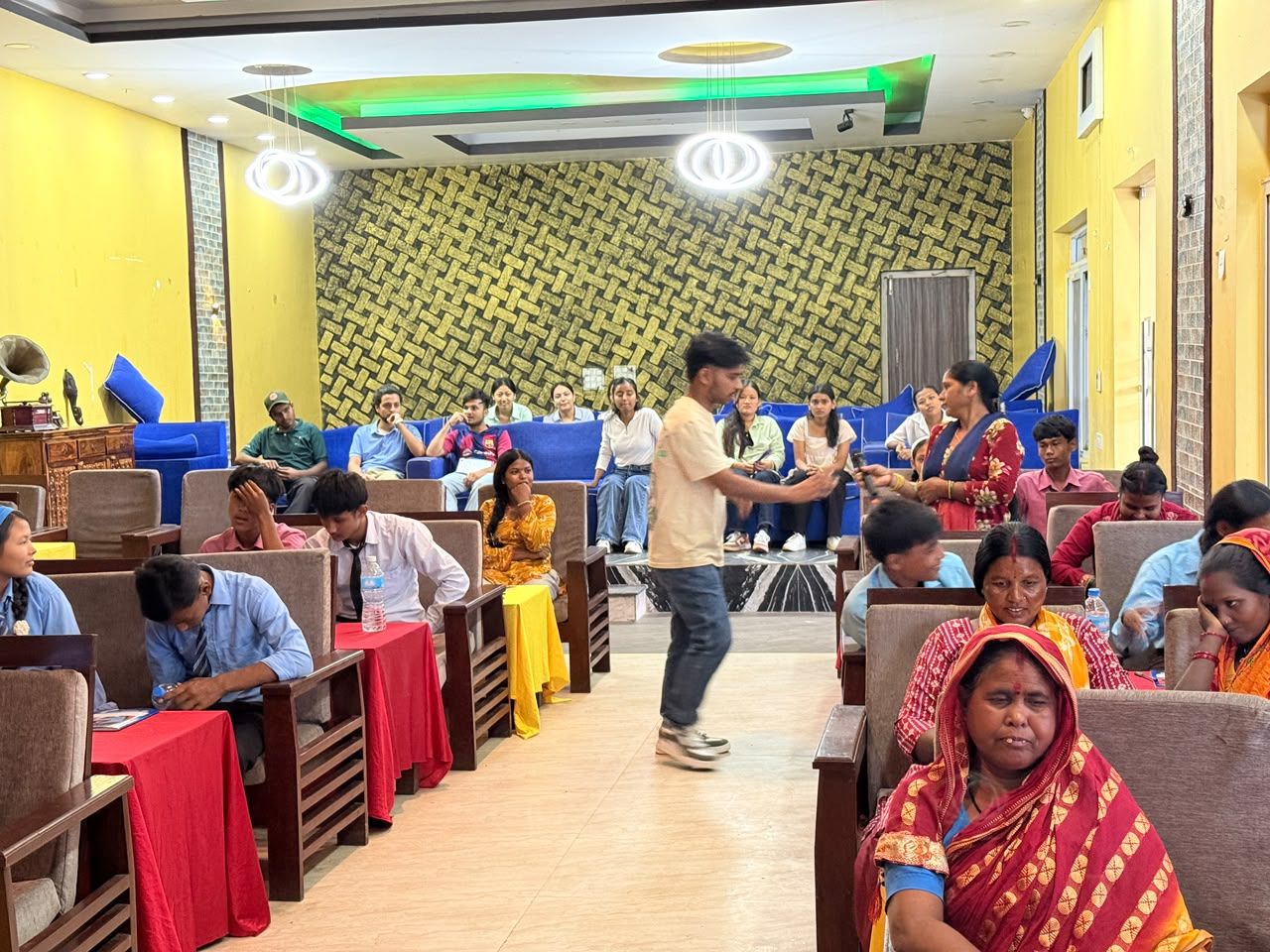
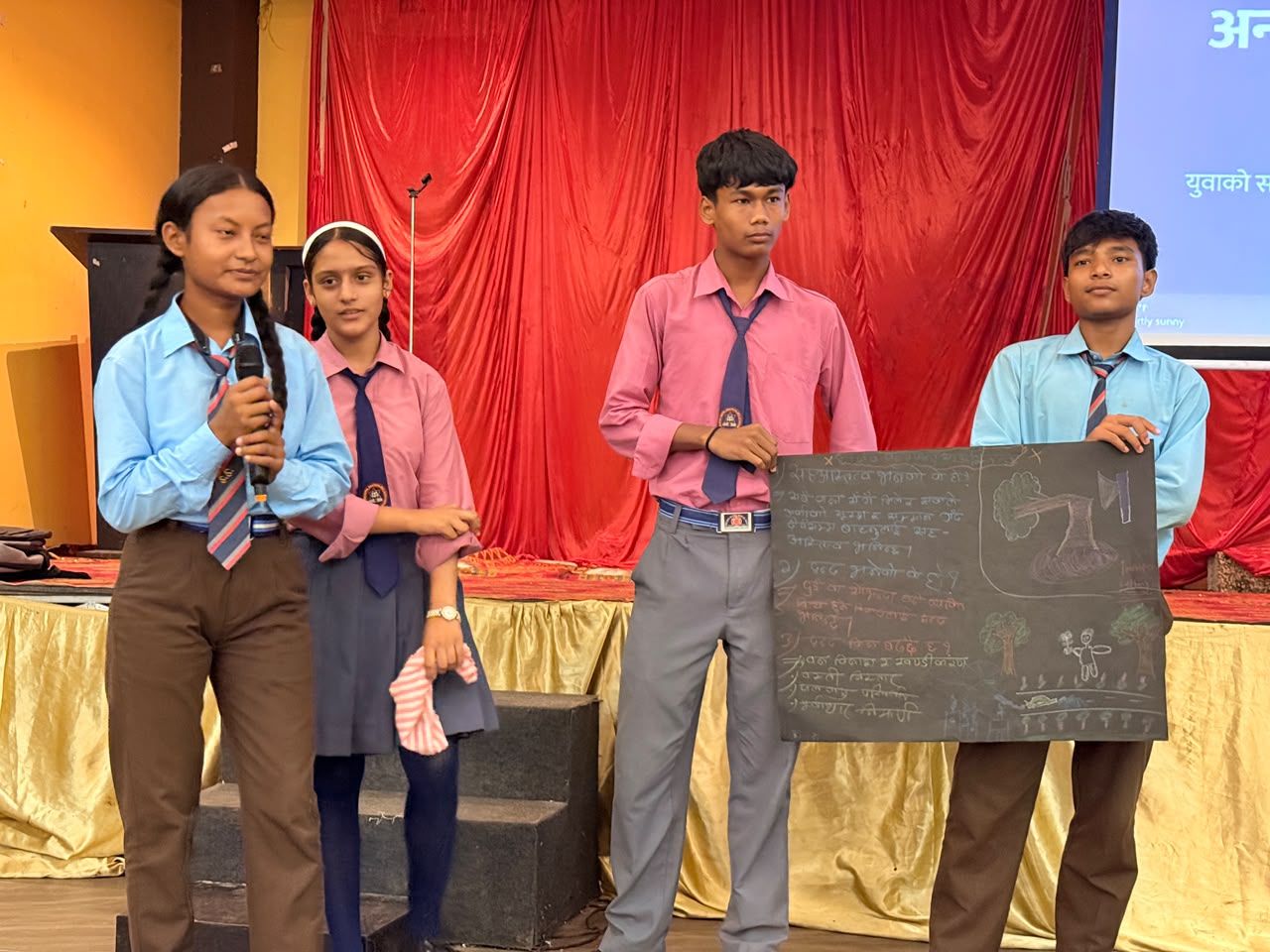





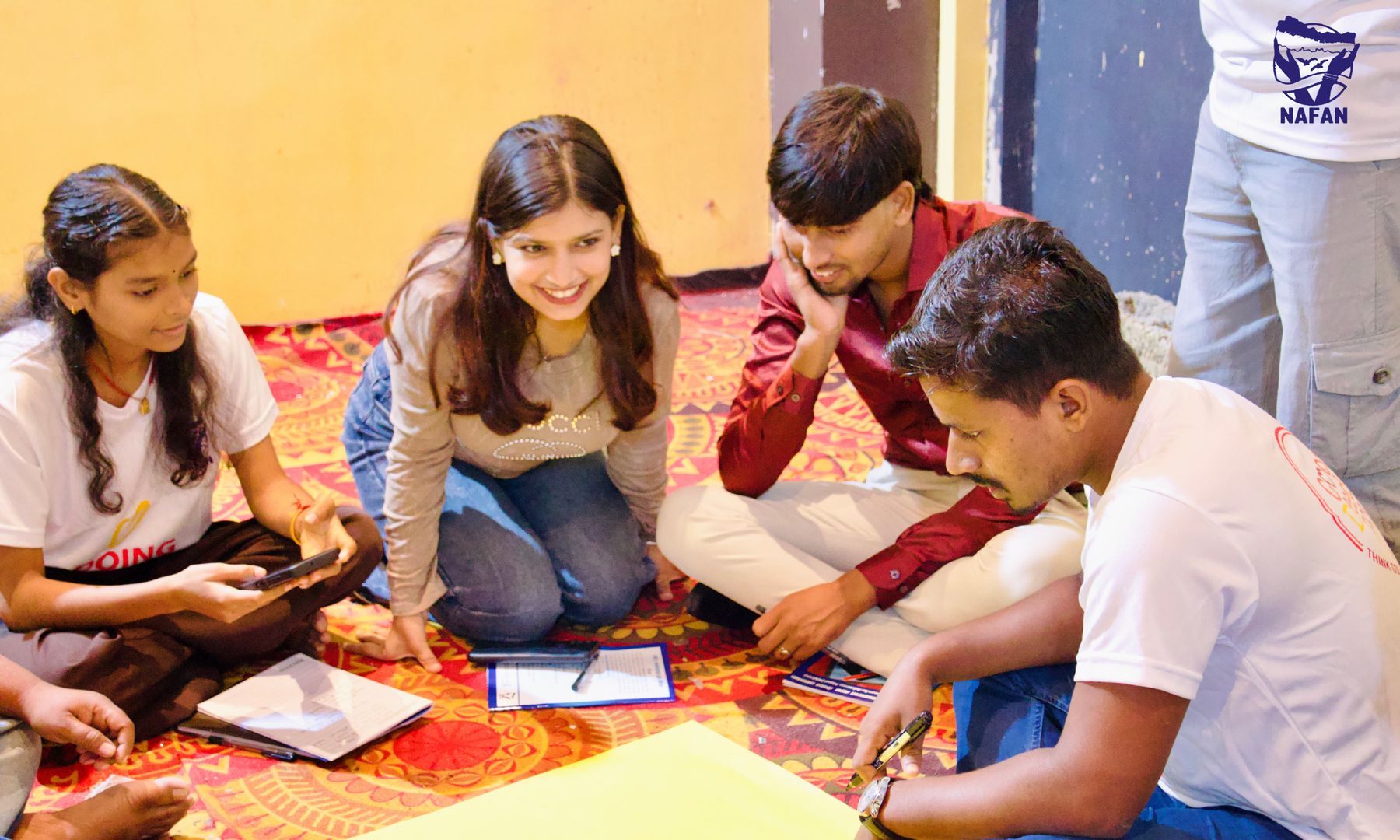


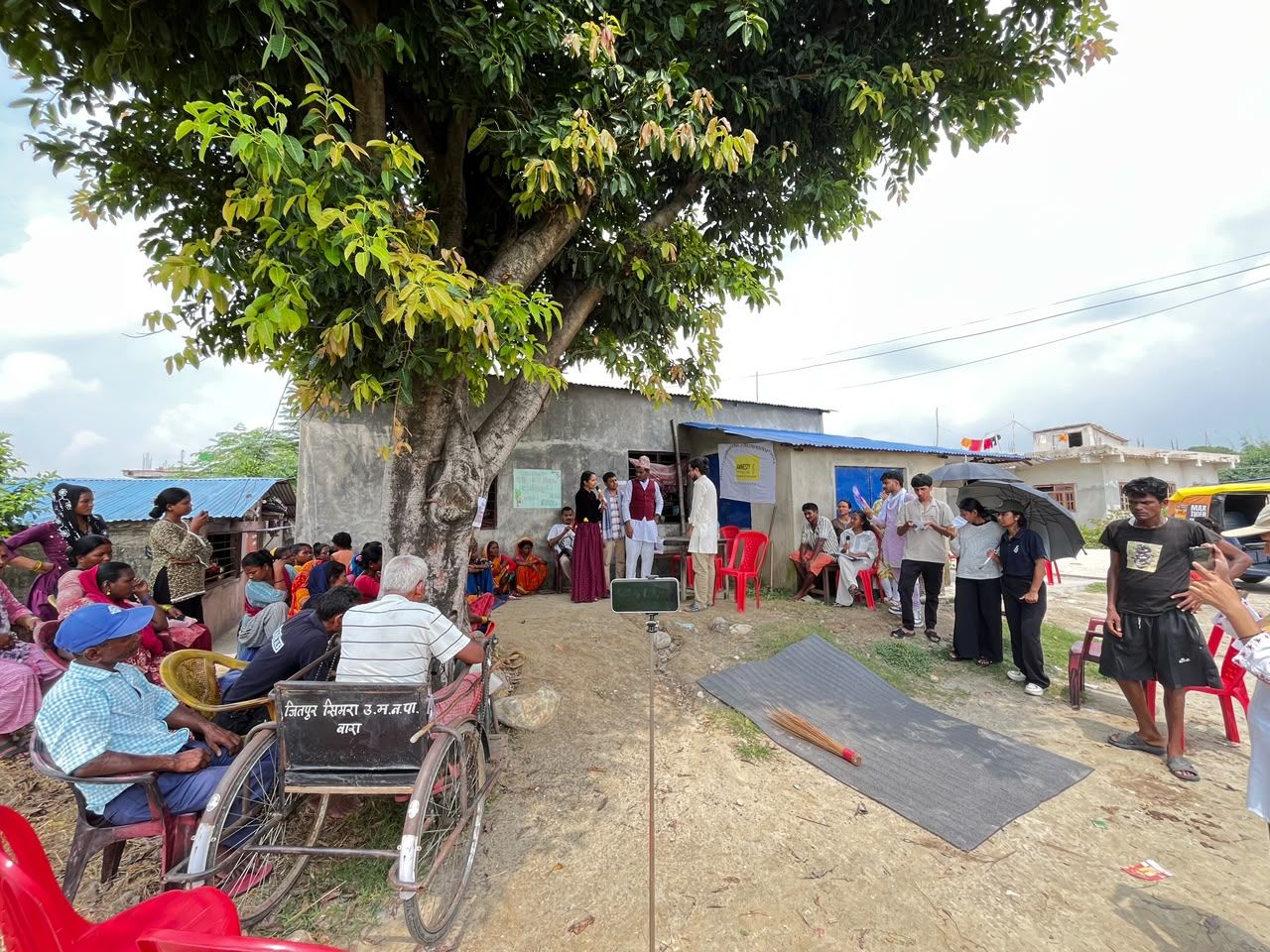
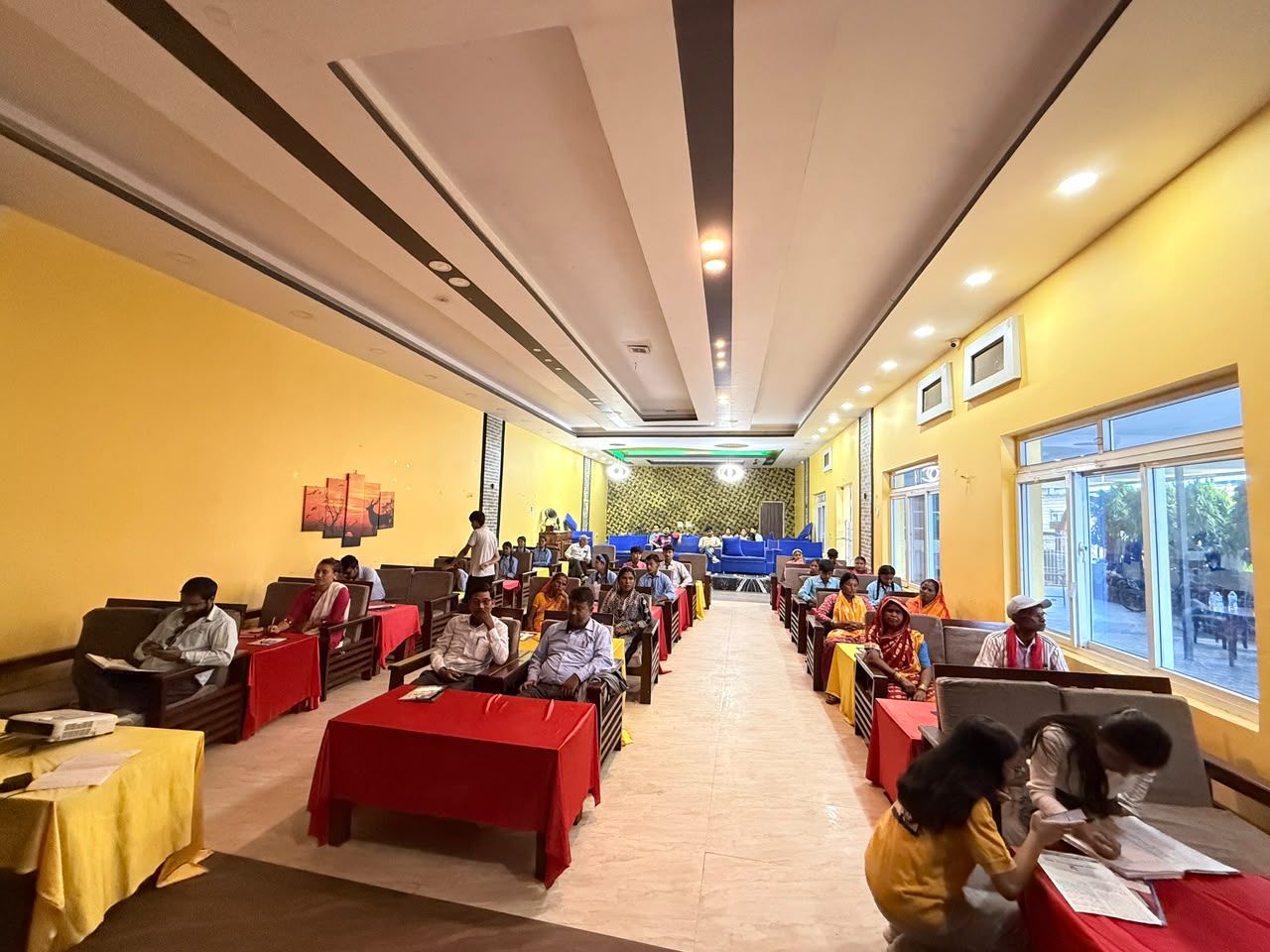
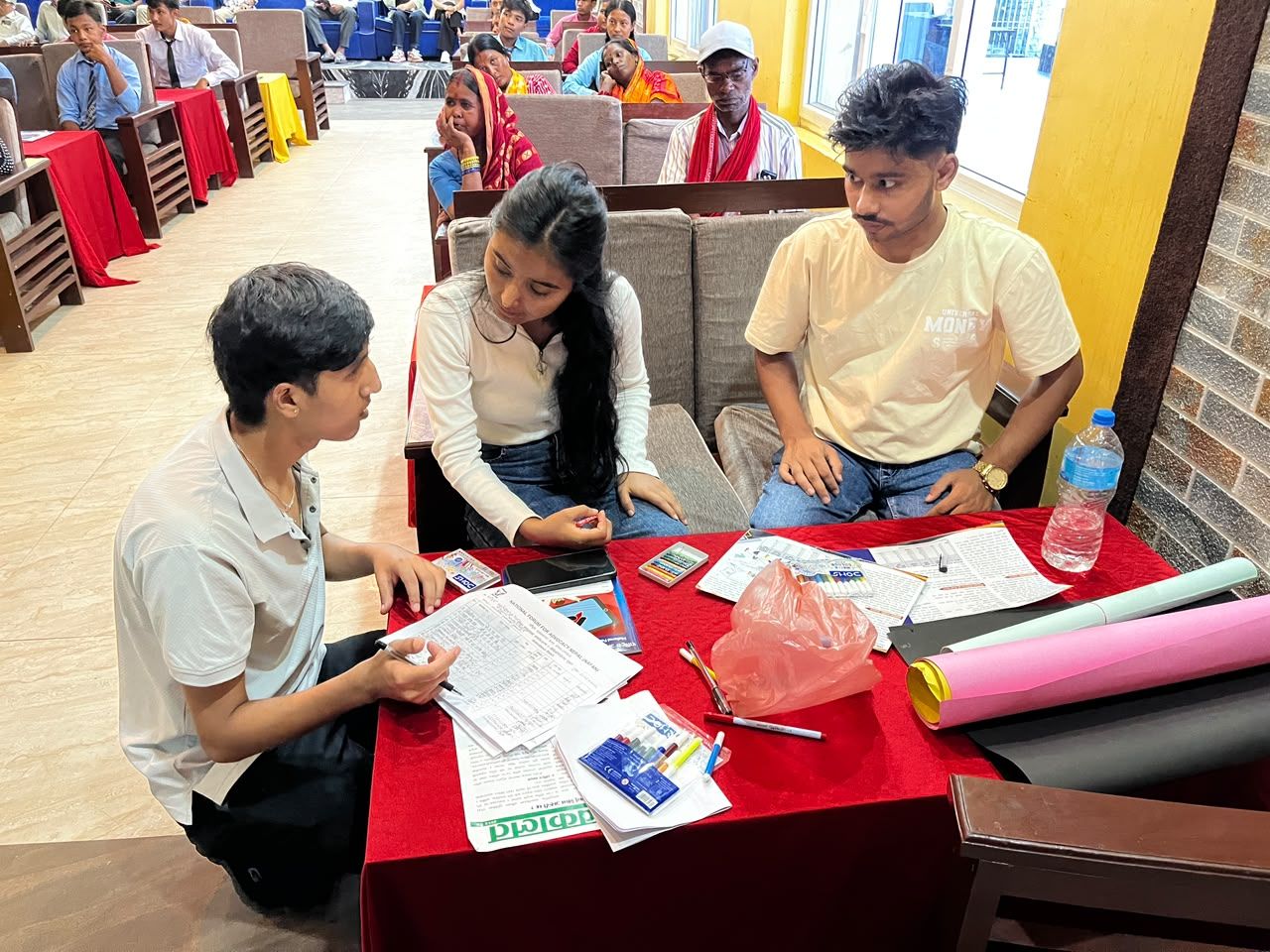
Living with Wildlife: Youth Day 2026
For International Youth Day, students, teachers and community members explored how people and wildlife can live safely side by side.
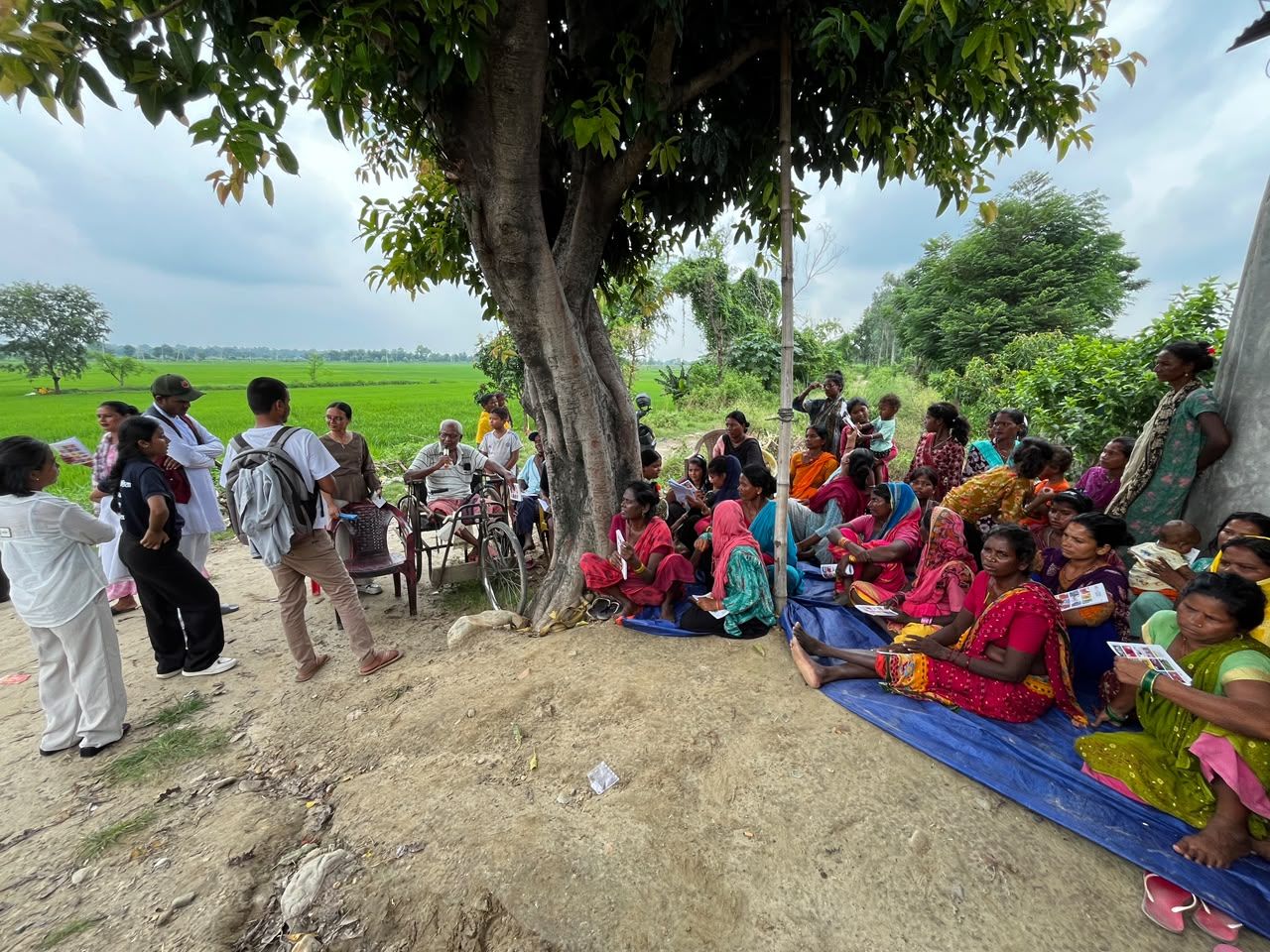
- Day One brought eco club students, teachers and community members together in Simara for presentations, group discussion and an animal recognition quiz.
- Day Two moved outdoors: a street play, The Call of the Forest, was staged at a school gate in Dumarwana and at Badafar Chowk.
- Sessions covered the three species that cause most damage in Bara, elephant, leopard and wild boar, and the four-step process for claiming wildlife damage relief.
- More than 140 people took part across the two days.
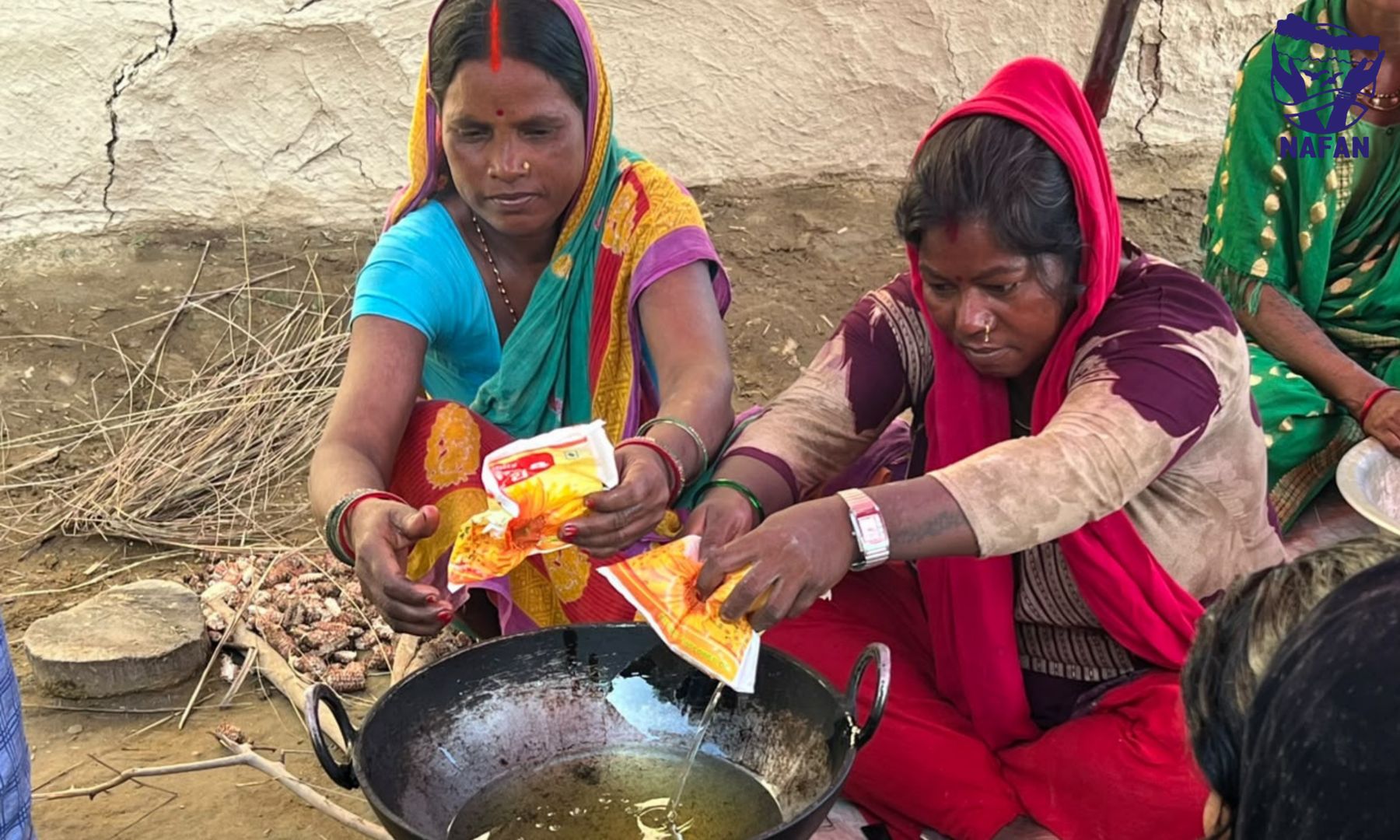
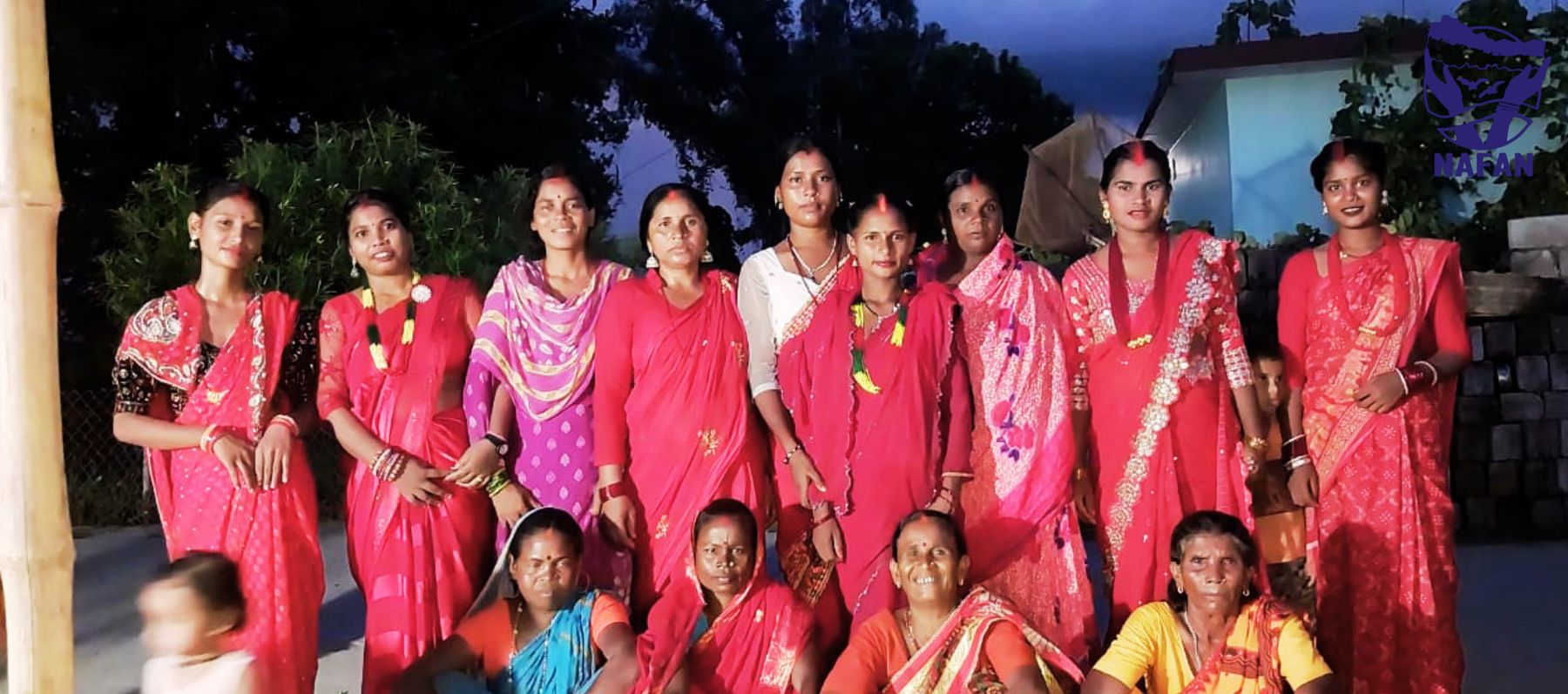
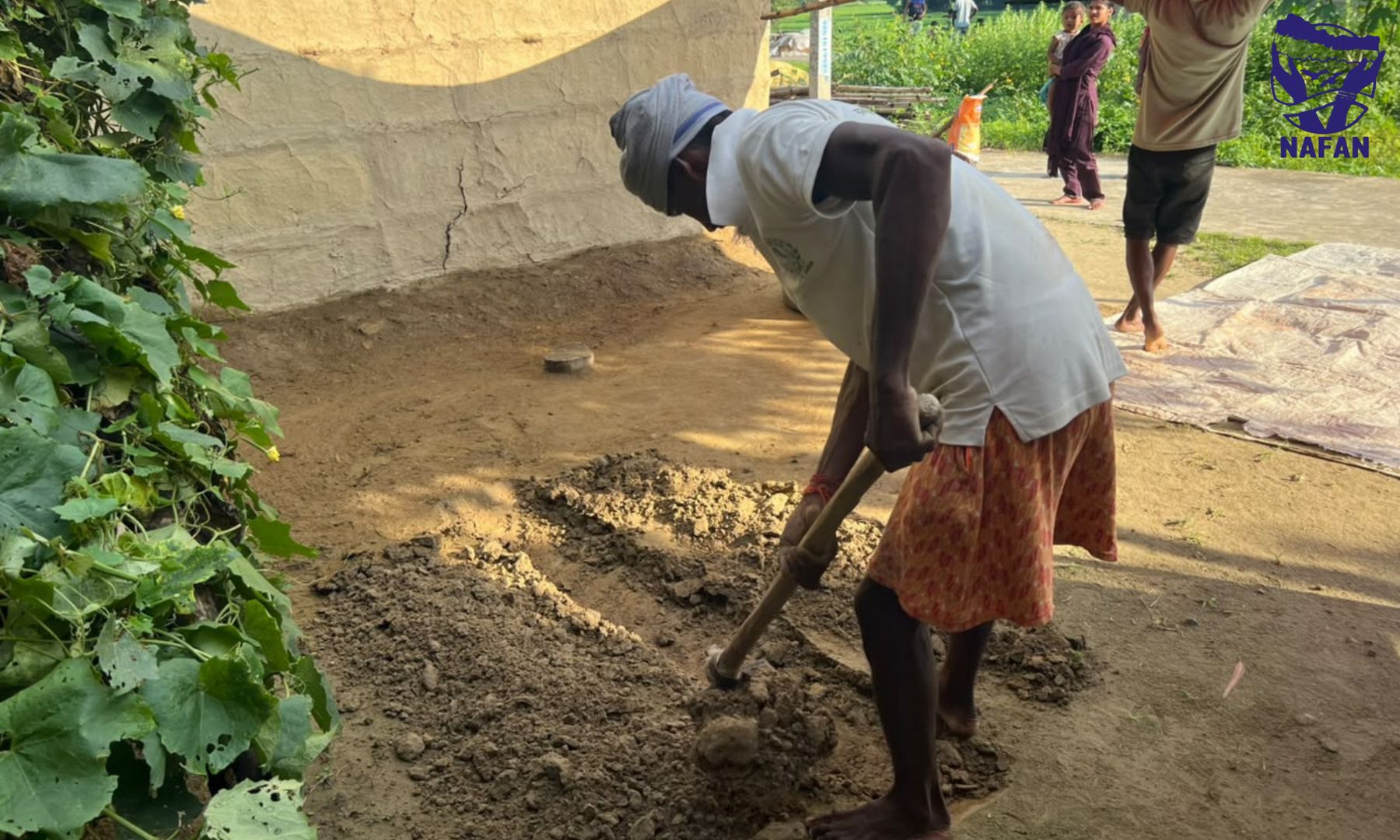
Teej Dar 2083
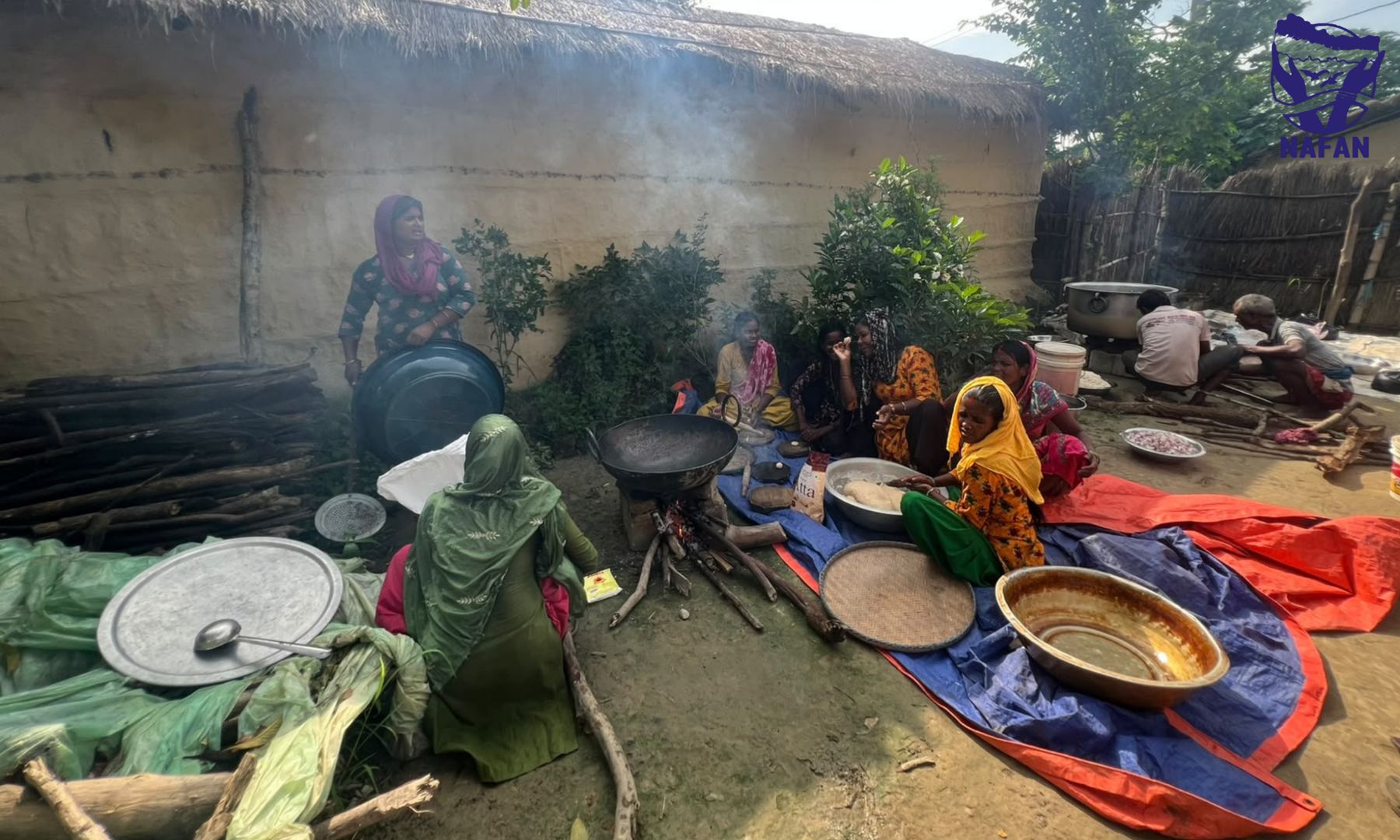
A festival meal, cooked in the open and shared, brought women together at each site.
- Women cooked the dar feast together over open wood fires, in an outdoor kitchen at each site.
- About 60 women joined at each site, by our mobilisers' estimate.
- NAFAN supplied provisions, milk and cooking materials.
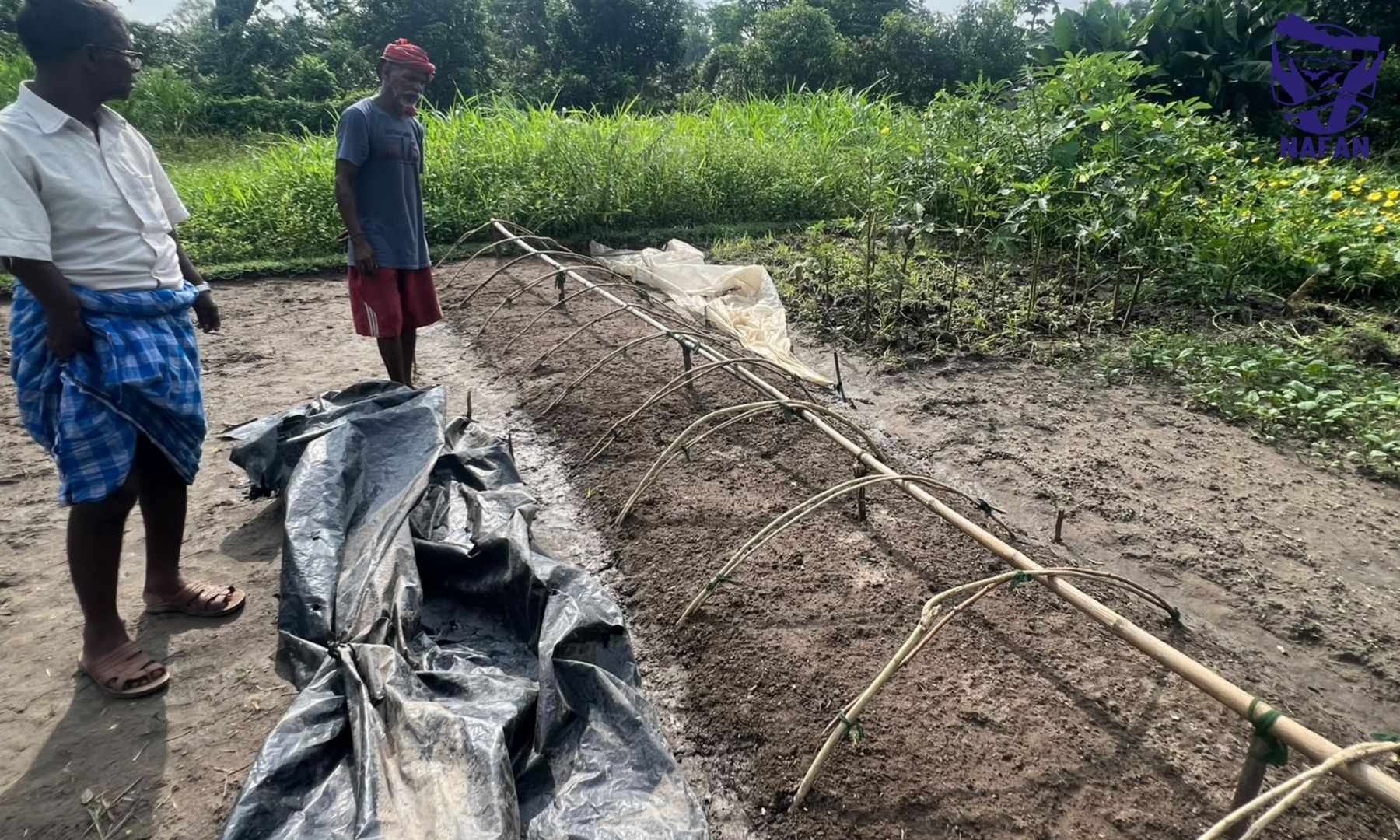
Seed Sharing with Women's Groups
Good seed passed from hand to hand is one of the simplest ways to spread food and green cover.
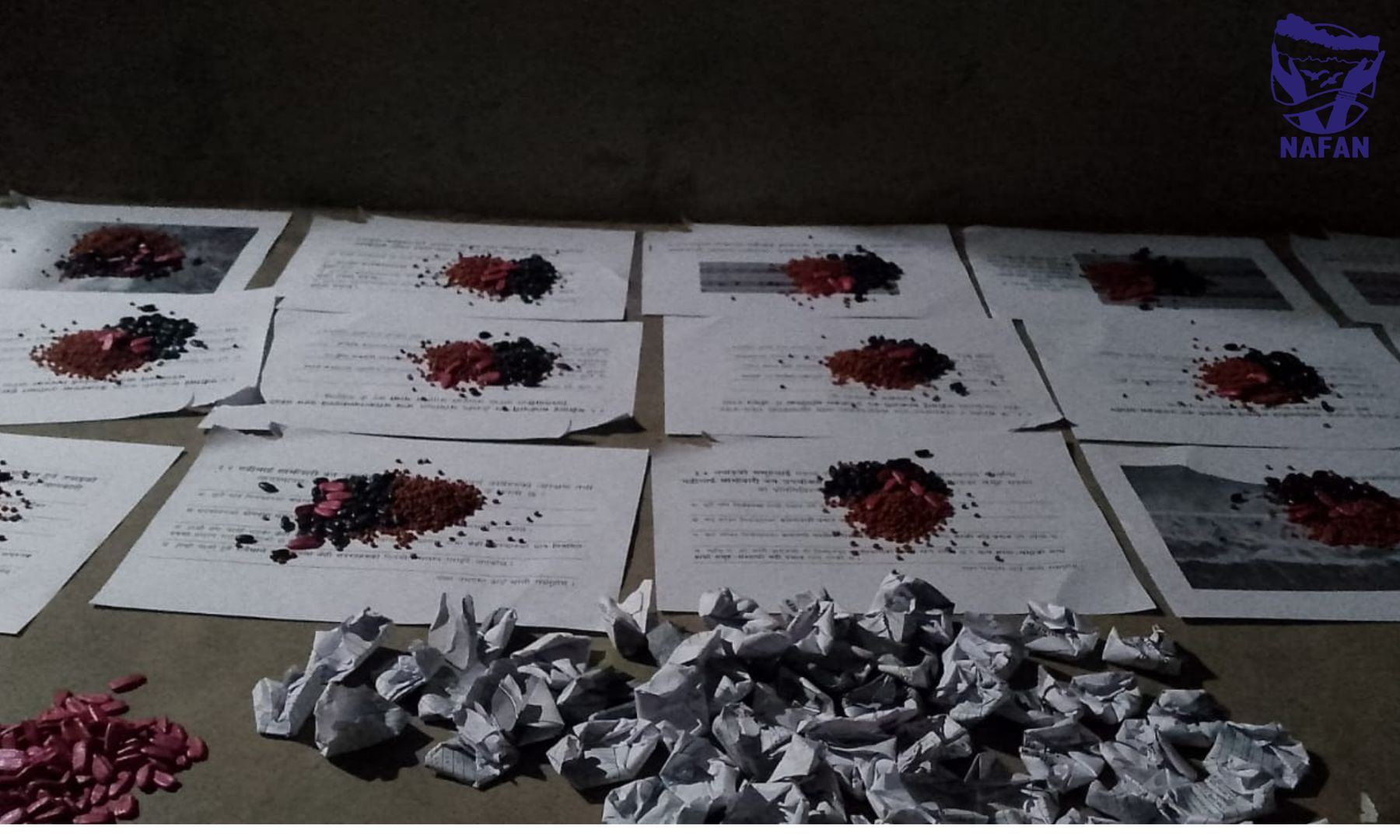
- Seed is sorted into small portions on paper and packed for each member.
- Raised seedbeds under plastic sheeting are prepared to start seedlings.
- Seed is handed to members of the women's group to grow at home.